


Partnering with the wrong battery charger manufacturer exposes your brand to product liability, shipping delays, and severe financial risk. In high power systems, the charger acts as the central line of defense for system efficiency and battery longevity. Since ninety five percent of electric bike fires stem from failures during the charging process, picking a partner based solely on low initial unit cost is a dangerous strategy.
Selecting the right production partner requires a systematic evaluation of engineering expertise, regulatory compliance, and quality control frameworks. This guide walks you through the essential technical criteria and contract safeguards needed to audit a supplier and build a successful OEM or ODM relationship.
What Is the Difference Between OEM and ODM Battery Charger Manufacturing?
Before issuing a request for proposal, hardware product managers must align their product roadmap with the correct manufacturing execution model.
- Design Ownership: OEM projects are entirely client owned based on your proprietary IP, whereas ODM designs are factory owned platforms modified for your brand.
- Initial NRE Costs: OEM requires a higher initial investment for custom tooling and engineering, while ODM involves lower upfront development costs.
- Development Timeline: OEM product cycles typically take six to twelve months, compared to two to four months for rapid ODM market entry.
- Customization Level: OEM offers fully custom builds tailored to exact specifications, while ODM utilizes pre engineered baseline platforms.
- Target Application: OEM is ideal for proprietary ecosystems and custom enclosures, whereas ODM best suits fast market launches and standard form factors.
Under an OEM contract, the client supplies the full engineering package including mechanical schematics, circuit board layouts, firmware binaries, and component lists. The factory manages component procurement, board assembly, and compliance testing. Under an ODM arrangement, the manufacturer supplies ready engineered base platforms that can be customized for your brand. This includes selecting specialized connectors, adjusting voltage output parameters, applying custom logo silk screening, and designing custom packaging.
Having established the structural differences between these models, let us examine how to evaluate a factory engineering and customization capabilities.
How to Evaluate a Charger Factory R and D and Customization Capabilities?
A capable engineering team must handle complex power electronics, thermal dynamics, and firmware integrations across diverse application categories.
Battery Chemistry and Multi Stage Charging Profiles
Charging requirements vary drastically depending on battery chemistry. Lithium Iron Phosphate demands precise constant current and constant voltage transitions, whereas NMC cells require dynamic thermal monitoring. Leading factories offer intelligent chargers with three built in state of charge modes at fifty percent, ninety percent, and one hundred percent. This flexibility helps users prolong battery lifecycle during storage or optimize daily operating range across diverse fields like an Chargeur de vélo électrique, E-Motorcycle Charger, or E-Wheelchair Charger.
Hardware Communication Protocols and BMS Integration
Modern charging systems rely on continuous communication between the charger and the battery management system. Ensure your supplier can integrate standard protocols such as CANopen, CAN 2.0, UART, and NTC temperature sensors to monitor cell status and prevent thermal runaway in real time, especially in high drain hardware like an Chargeur pour voiturette de golf électrique or heavy duty Power Tools Charger.
Thermal Management and Industrial Protection Ratings
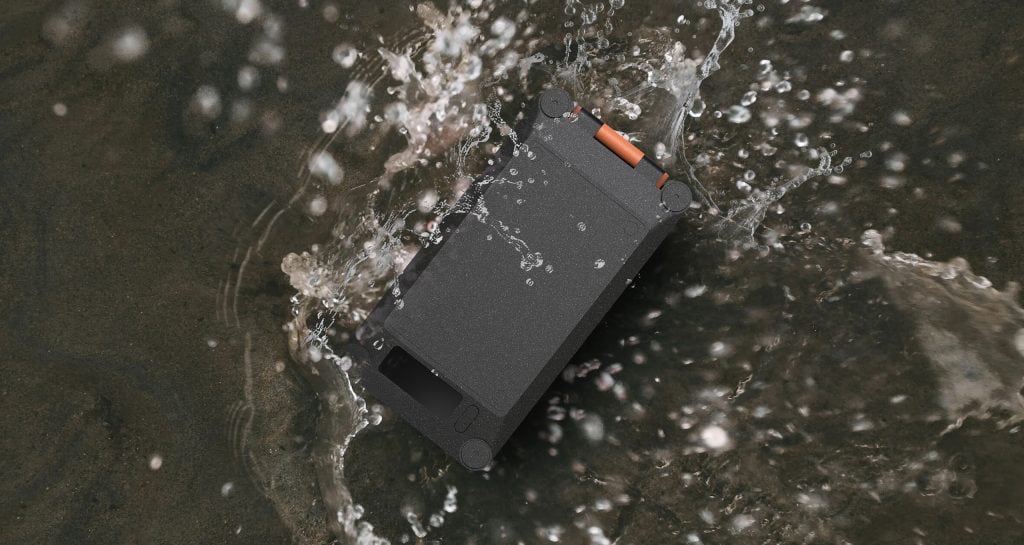
Active cooling fans often fail in harsh environments. High reliability manufacturers utilize fanless cooling technology paired with custom transformers to keep operational temperatures rising low. For demanding indoor and outdoor deployment, factories must supply IP65 or IP67 waterproof and dustproof enclosures.
Once you have verified the engineering capabilities of a candidate factory, the next crucial step is validating their regulatory compliance.
What Quality Certifications and Compliance Standards Are Non Negotiable?
Shipping electronic hardware without proper regulatory clearances leads to immediate customs blockages and severe financial liability. You need to verify that your partner maintains both facility level quality systems and regional safety certifications.
At the facility level, general electronics factories should hold ISO 9001 certification, while specialized sectors like medical equipment require ISO 13485 standards. At the product level, safety and environmental clearances must match your destination markets across consumer segments like a Chargeur de produits 3C or high voltage industrial units:
- North America: UL 1012, UL 1310, FCC Part 15, and California Proposition 65.
- European Union: CE, EN 60335, EN 62368, RoHS, and REACH compliance.
- Asia Pacific: PSE mark for Japan and KC mark for South Korea.
Beyond checking certificates on paper, you must conduct a detailed audit to catch potential engineering and manufacturing red flags.
How to Assess Production Capacity and Supply Chain Stability?
A reliable partner must demonstrate operational stability and the capacity to scale alongside your sales growth. Modern production facilities rely on automated surface mount technology lines equipped with optical inspection tools. In house manufacturing of core components like inductive coils and transformers provides direct control over quality and delivery schedules.
- Automation and Quality Control: Advanced facilities deploy automated surface mount technology lines paired with optical inspection systems to maintain high yield rates during mass production.
- Voltage System Scalability: Factories should support diverse voltage requirements, from compact low voltage setups (5V Charger, 9V Charger, 12V Charger, 15V Charger, or 20V Charger) to heavy duty high voltage systems (36V Charger, 48V Charger, 52V Charger, or 72V Charger).
- Component Buffer Stock: Reliable suppliers maintain strategic safety stock for critical active components and transformers to shield your delivery schedules from global raw material shortages.
- Form Factor Versatility: Production lines must accommodate flexible mechanical designs, including fast charging Type-C interfaces, compact PowerPod units, desktop Button Charger formats, integrated Car Charger options, portable PowerPocket models, and industrial grade Titan X setups.
With capacity and supply chain stability verified, you are ready to formalize your partnership agreement.
What Key Terms Should You Secure Before Signing a Contract?
To protect your financial and technical investment, ensure your manufacturing contract includes enforceable terms on three key operational areas:
Quality Acceptance Criteria: Define strict acceptable quality level standards, setting zero tolerance for critical safety defects.
IP Protection and NNN Agreements: Enforce non disclosure, non use, and non circumvention agreements under the local legal jurisdiction of the factory.
Warranty and RMA Terms: Secure clear credit or replacement terms if field failure rates exceed agreed thresholds during the warranty period.
Having reviewed the contracting process, let us examine common questions buyers ask during product selection.
Questions fréquemment posées
What factors drive the total manufacturing cost of custom battery chargers?
Total unit costs are driven by target power output, waterproof housing ratings, custom transformer topologies, and integrated communication protocols like CANbus. Form factor design choices and specialized AC or DC cable accessories also impact tooling fees. For accurate pricing based on your specific power requirements, contact the ST Charger engineering team directly.
What common mistake should buyers avoid when selecting charger materials?
The most common mistake is choosing low cost plastic housings and active cooling fans for outdoor or high humidity environments. Standard plastics degrade under UV rays, and fans accumulate dust and moisture, leading to premature failure. Industrial buildings use UV stable materials, aluminum heatsinks, and fanless cooling to maximize lifespan.
How long does the custom tooling and prototyping cycle typically take?
Modifying an existing platform takes two to four weeks for sample delivery. Complete ground up custom designs involving new enclosure molds, custom PCB layouts, and full safety certifications require twelve to sixteen weeks before mass production starts. Choosing existing base platforms with ongoing Product Upgrades offers the fastest route to market.
Conclusion
Choosing the right battery charger factory requires balancing technical R and D capabilities, strict safety compliance, and long term supply chain stability. By auditing prospective suppliers thoroughly, locking down component specifications, and establishing clear contract terms, you safeguard your brand reputation and ensure consistent product performance.
Ready to build a reliable, high performance charging platform tailored to your exact specifications? Contactez notre équipe d'ingénierie at ST Charger today to discuss your OEM or ODM project requirements.