


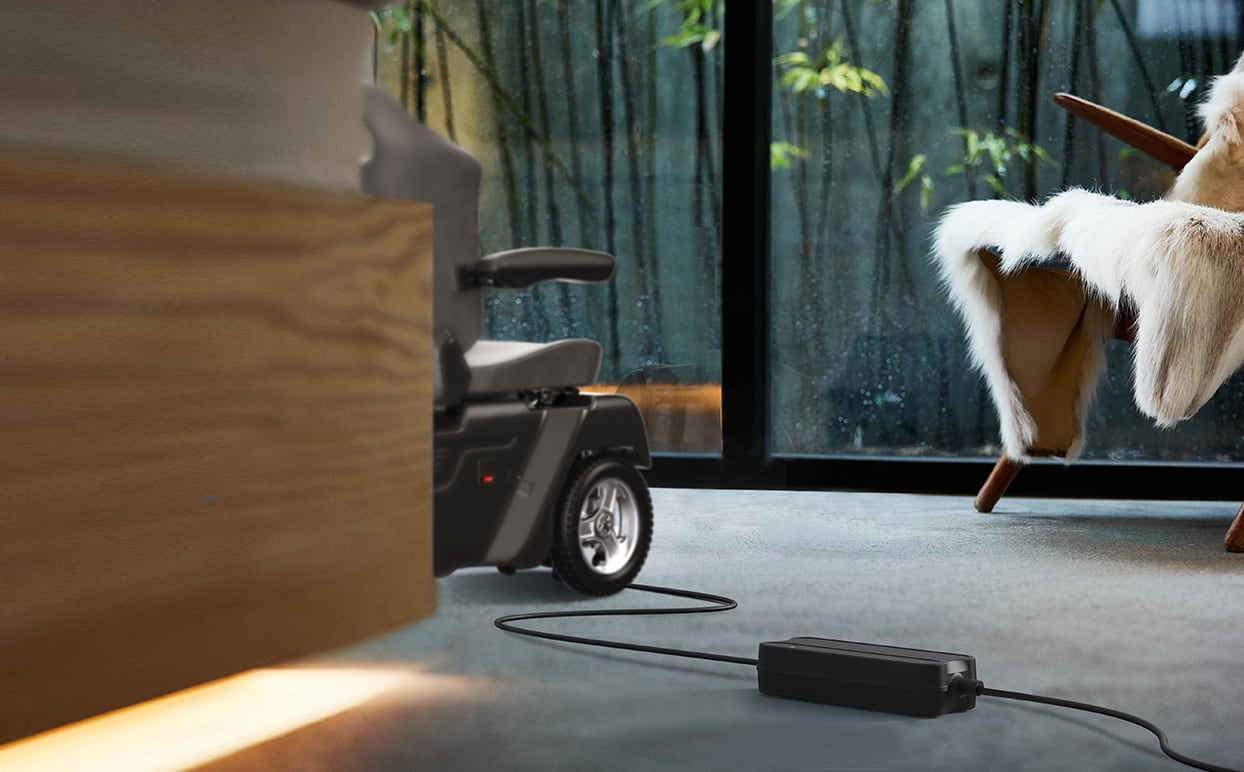
For anyone relying on power mobility, finding the best electric wheelchair charger is about much more than keeping a battery full—it’s about protecting your daily freedom, mobility, and safety. However, using a mismatched or poorly built 24V power chair charger can leave users stranded, permanently ruin expensive battery packs, or even pose serious electrical fire hazards.
Industry safety data shows that most electric mobility fire incidents stem directly from issues during the charging process. Choosing a properly certified and technically matched power supply is essential for keeping users safe and helping batteries last longer. This guide breaks down electrical parameters, safety standards, battery chemistry requirements, and portable design features so you can choose the right power setup with confidence.
How to Choose the Right 24V Charger for Your Electric Wheelchair?
Finding a compatible replacement power supply starts with matching three basic electrical and mechanical specs.
Understanding Voltage, Amperage, and Connectors
Getting the main electrical specifications right is the first step toward safe daily operation:
- Voltage: Electric wheelchairs almost universally run on 24V power systems, which are usually powered by two 12V batteries connected in series. Plugs built for 36V or 48V will instantly fry the onboard controller and ruin the battery cells.
- Amperage: Amperage dictates how fast energy flows into your battery pack. Standard wheelchair power supplies range from 24V 2A 65W for light folding models up to 24V 5A 150W or 24V 8A 270W for heavy duty chairs. Higher amperage charges faster, but the current should never exceed what your battery maker recommends.
- Connector Types: Power chairs use specific pin setups to deliver current safely. The standard plug across the industry is the 3 Pin XLR connector. Other mobility devices might use RCA, coaxial plugs, or custom industrial sockets. Always double check the pin arrangement before plugging in any new charger.
AGM, Gel, vs. Lithium Batteries: Why Charger Profile Matters
Electric wheelchairs typically run on Sealed Lead Acid batteries, like AGM or Gel cells, or modern Lithium Iron Phosphate packs. Each battery type needs a different charging approach to stay healthy:
| Specification Category | AGM / Gel Lead Acid | Lithium Ion / LiFePO4 |
| Nominal Voltage Standard | 24V (Two 12V cells in series) | 24V / 25.6V nominal |
| Charging Algorithm Stages | 3 Stage (Constant Current, Constant Voltage, Float) | 2 Stage (Constant Current, Constant Voltage Cutoff) |
| Float Charging Requirement | Mandatory to prevent self discharge | Strictly prohibited (causes lithium plating) |
| System Communication | Passive voltage monitoring | Active BMS integration (UART, CAN 2.0, CANopen) |
Running a lead acid charging profile on a lithium battery leads to partial charges or triggers battery protection lockouts. On the flip side, using a lithium supply on a Gel battery overcharges the electrolyte, causing permanent loss of battery capacity.
With these core electrical basics in mind, let us look at what can go wrong when using generic off the shelf power units.
Why Matching Charge Profiles Matters: The Hidden Risks of Generic Chargers
The Smart Charging Advantage
Basic off the shelf power supplies feed a fixed voltage without checking the actual state of the battery. Better units, like those from ST Charger, use smart microcontroller units that continuously monitor voltage curves and temperature changes.
High quality mobility chargers also support hardware communication protocols like CANopen, CAN 2.0, UART, and NTC thermistor monitoring. These protocols talk directly to the internal Battery Management System, adjusting current output on the fly based on cell conditions.
The True Cost of Mismatch: Thermal Runaway and Degradation
When an uncalibrated power supply forces electricity into a full battery or fails to drop into float mode for AGM cells, it causes real physical damage:
- Gas Build Up and Cell Swelling: Too much voltage boils the liquid inside sealed AGM or Gel batteries, puffing up the outer case and drying out the insides.
- Lithium Plating and Thermal Hazards: Constant trickle charging on lithium cells builds up metallic lithium inside, creating short circuits that pose serious fire risks.
- Energy Loss and Waste Heat: Cheap power supplies waste 25 percent or more of incoming electricity as raw heat, wearing out components fast. Well made units use proprietary transformer designs to reach power efficiency levels of 92 percent to 94 percent or higher, keeping things cool and saving electricity.
Now that we have covered the electrical risks, checking for proper safety certifications is the next big step.
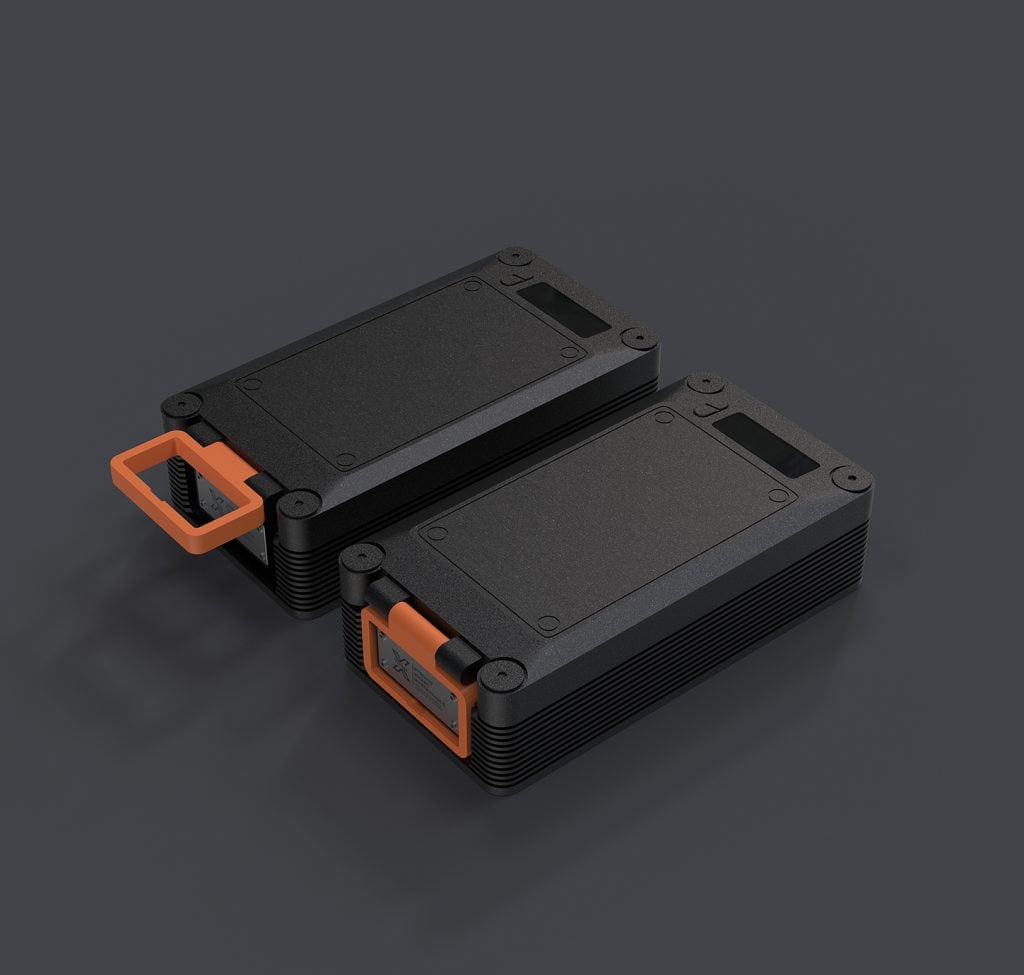
What Safety Features and Certifications Should You Look For?
Essential Regulatory Standards
Because electric wheelchairs are essential mobility gear, their power supplies must meet strict safety standards:
- Medical Electrical Safety: Meeting standards like IEC 60601-1 or REC 60601 ensures minimal electrical leakage and safe everyday use for vulnerable riders.
- Global Safety Compliance: Look for official UL, CE, FCC, and RoHS marks to confirm the unit complies with international safety standards.
Built In Hardware Protections
To stop electrical glitches and reduce fire hazards, a dependable E Wheelchair Charger needs built in safety defenses:
- Inhibitor Functionality: A key safety feature built into 3 Pin XLR wheelchair connectors. This inhibitor sends a signal that disables the drive motor while plugged in, preventing the chair from accidentally driving off while charging.
- Over Voltage and Over Current Auto Cutoff: Automatic shutoff circuits block power spikes or grid surges before they can reach sensitive battery electronics.
- Short Circuit and Reverse Polarity Protection: Instant shutoff stops damage if wires short out or if you connect the leads backward.
- Fanless Silent Cooling: Traditional cooling fans pull in dust, run loud, and eventually break down. Modern designs use fanless cooling setups, relying on housing built for heat dissipation to run quietly and keep internal temperatures down.
Understanding these safety mechanisms makes it easier to evaluate how well a charger handles travel and outdoor use.
Best Lightweight & Portable Wheelchair Chargers for Travel
Compact Form Factor and Weight
If you travel often, carrying a heavy power supply gets frustrating fast. Modern compact units use efficient transformer layouts to deliver strong power output in a small casing, making them easy to pack up and take along.
Universal Input Voltage and Custom Charging Modes
- Worldwide Voltage Support: Look for units that handle universal AC input from 100V to 240V AC at 50Hz or 60Hz. This lets you plug in across different countries without hauling a heavy voltage converter around.
- Selectable State of Charge Modes: Some advanced chargers feature selectable charging limits, such as 50 percent, 90 percent, or 100 percent:
- 50 Percent Mode: Great for long term storage or air travel, matching airline transport safety rules.
- 90 Percent Mode: Ideal for daily routines, extending battery lifespan by cutting down on high voltage stress.
- 100 Percent Mode: Perfect for days when you need every bit of driving range.
Once you pick a portable charger with the right options, taking good care of it will ensure it lasts for years.
How Can You Extend the Lifespan of Your Wheelchair Charger and Battery?
Essential Maintenance Practices
Following the right plugging order protects both your charger and your wheelchair electronics:
- Proper Connection Sequence: Always plug the DC connector into your wheelchair charging port before plugging the AC cord into the wall outlet. When you finish, pull the wall plug first.
- Cable Care: Avoid wrapping cords tightly around the body of the unit, which can snap internal copper wires near the stress points.
- Heat Management: Always operate your charger on a flat, hard surface. Never cover the case with clothes, blankets, or cushions while it is actively charging.
Understanding LED Status Lights
- Solid Red: The unit is plugged in and actively delivering Constant Current.
- Flashing Yellow or Amber: The battery is almost full and balancing during the Constant Voltage stage.
- Solid Green: Charging is complete and the charger has switched off or moved to float mode.
- Flashing Red: A system error occurred, such as a short circuit, wrong polarity, or high temperature limit.
Frequently Asked Questions
Can I leave my electric wheelchair plugged in overnight?
Yes, as long as you use a certified smart charger with automatic cutoff features. Smart systems automatically stop the power flow or switch to a safe float mode once the battery reaches full capacity. However, leaving an older charger without auto cutoff plugged in overnight risks overcharging and damaging battery cells.
Why does my power supply feel warm during operation?
Slight warmth is totally normal during the initial fast charging phase. High efficiency units operating above 92 percent efficiency generate very little excess heat, but converting energy always creates a bit of warmth. If the housing gets too hot to hold comfortably or smells like burning plastic, unplug it right away and check for faults.
What should I do if the light stays green, but the wheelchair battery does not charge?
If the indicator turns green the moment you plug it in, no current is going through to the battery. Common culprits include a blown inline fuse, loose pins inside the XLR socket, or a deeply drained battery whose voltage dropped too low for the charger to recognize it.
Can I use a portable power station or solar generator to charge my wheelchair?
Yes, but your portable power station needs a Pure Sine Wave AC inverter output. Modified sine wave inverters produce choppy power that can ruin delicate microcontrollers, internal transformers, and BMS communication circuits inside modern chargers. Make sure the power station wattage easily covers your charger power needs.
Conclusion
Picking the right power supply comes down to matching voltage, amperage, battery chemistry, connector types, and verified safety certifications. Choosing an efficient, MCU controlled unit protects your battery investment, improves daily driving range, and keeps your equipment running safely.
Whether you need lightweight travel units, medical grade power supplies, or custom OEM and ODM solutions, explore certified power systems at ST Charger to keep your mobility equipment charged and ready every day.