


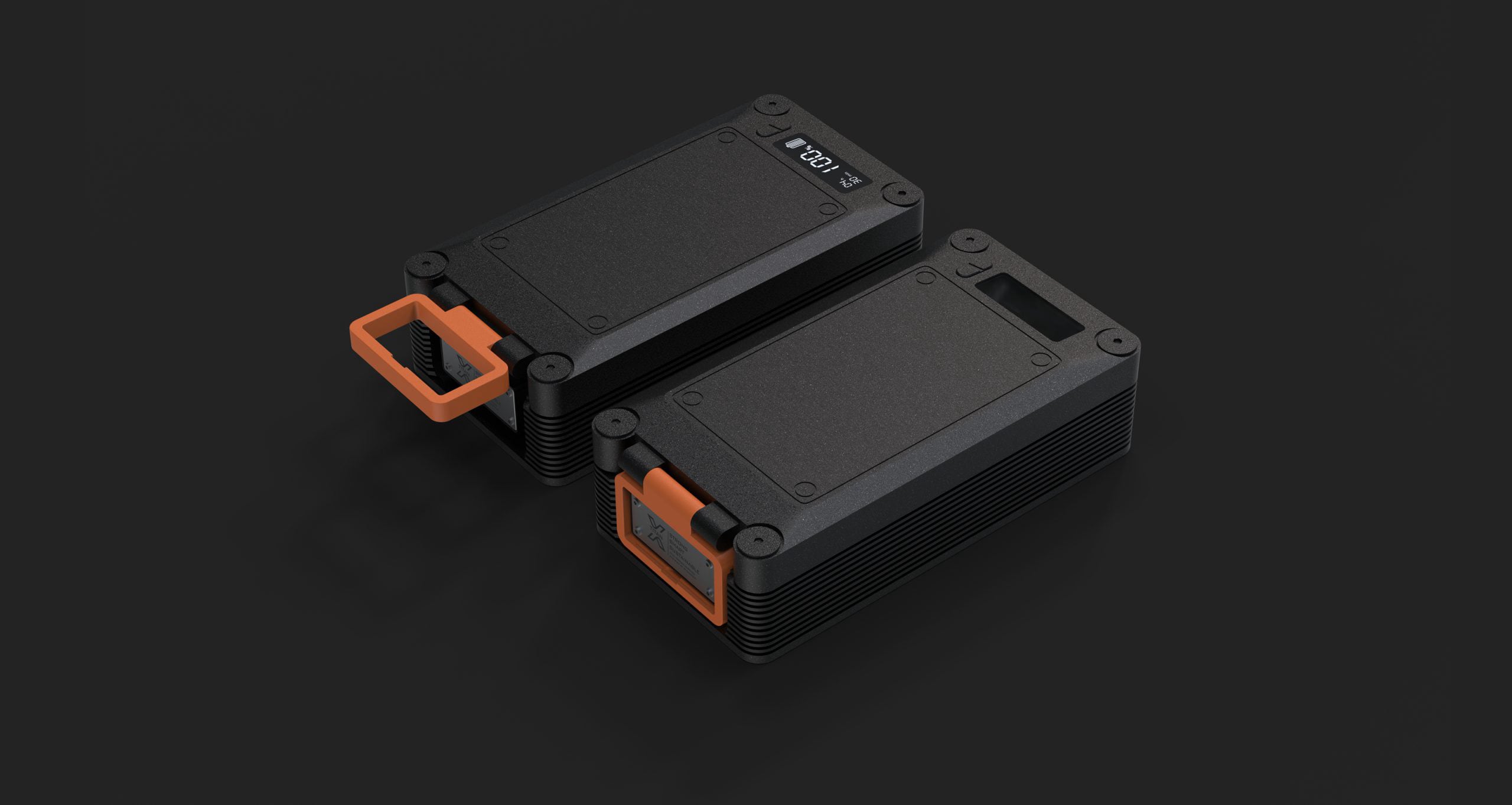
In the world of electric vehicles and industrial equipment, a reliable 48V battery charger plays an important role in keeping batteries in good condition and extending their lifespan. From electric forklifts to golf carts and e-bikes, 48V systems are widely used because they offer stable power and energy efficiency. Choosing the right charger and understanding how it works can help users get the best performance from their batteries and reduce maintenance costs over time.
What Is a 48V Battery Charger?
To begin with, a 48V battery charger is designed to match the voltage requirements of a 48V battery system. It converts AC power from a wall outlet into DC power suitable for charging batteries safely and efficiently. Compared with 12V or 24V chargers, a 48V charger can handle larger batteries, which are often used in heavy-duty applications such as electric forklifts, golf carts, and industrial cleaning machines.
These chargers typically operate through three main stages — constant current, constant voltage, and trickle charging. This intelligent charging curve helps avoid overcharging, overheating, and damage to the battery cells. Many modern 48V chargers are also built with smart control systems that automatically adjust the charging process depending on the battery condition.
Different Types of 48V Battery Chargers
There are several types of 48V battery chargers, each designed for specific applications and battery types.
- Lead-acid battery chargers are commonly used for industrial equipment and golf carts. They are cost-effective and simple but require careful charging to prevent overcharging.
- Lithium-ion battery chargers are used for modern electric vehicles and high-performance machines. They feature precise voltage and current control, making them ideal for fast charging and longer battery life.
- Smart 48V chargers combine advanced electronics to monitor battery health, temperature, and charge status automatically. They are more energy-efficient and safer compared to traditional models.
By understanding these types, users can easily match the right charger to their battery system for optimal performance and reliability.
Key Features to Look for When Choosing a 48V Charger
When selecting a 48V smart battery charger, it is essential to focus on safety, compatibility, and efficiency.
First, ensure the charger output current and voltage match the battery specifications. Using the wrong charger can cause slow charging or even battery damage. Second, look for built-in safety features such as overcharge protection, short circuit protection, and temperature control. These functions help prevent potential hazards during long charging cycles.
In addition, a high-quality charger should have good battery compatibility, supporting both lead-acid and lithium-ion batteries when needed. Modern chargers also feature automatic detection systems that identify the battery type and adjust the charging curve accordingly. LED indicators or digital displays can also be helpful, as they show real-time charging status and reduce guesswork during use.
Common Problems and Simple Maintenance Tips
Even the best 48V chargers can face issues after long use. Some common problems include slow charging, the charger not turning on, or the battery not reaching full capacity.
Before replacing your charger, check the basics — power connections, cables, and battery terminals. Dust or corrosion on the contacts can interrupt the charging process. Overheating is another common issue; make sure the charger is placed in a well-ventilated area to allow proper heat dissipation.
To maintain the charger’s performance, clean the ports regularly, store the charger in a dry environment or packaging, and avoid leaving it connected after the battery is fully charged. Regular inspection and proper handling can significantly prolong the charger’s lifespan & ensure consistent performance.

Energy Efficiency and Environmental Benefits
Using an energy-efficient 48V charger not only saves electricity but also reduces your carbon footprint. Many new models are designed to minimize energy loss during charging through intelligent power management.
Smart chargers automatically stop or switch to low-power standby mode once the battery reaches full charge, preventing unnecessary energy waste. This function is especially important for users who charge multiple electric forklifts or golf carts daily. By optimizing energy use, these chargers support sustainable operations and help lower operational costs in the long term.
Conclusion: Choose the Right Charger for Reliable Performance
In summary, a 48V battery charger is a key part of maintaining the performance and longevity of electric vehicles and industrial machines. Selecting the right charger means considering the battery type, charging efficiency, safety protection, and maintenance needs.
A good charger not only provides fast and stable charging but also protects the battery from damage, ensuring long-term reliability and energy savings.
If you are looking for a dependable charging solution, ST Charger is a trusted electric forklift charger manufacturer offering high-quality 48V battery chargers for various industrial and electric vehicle applications. ST Charger focuses on delivering durable, safe, and efficient charging products that help your equipment perform at its best. Contact ST Charger today to find the ideal charger for your needs.