


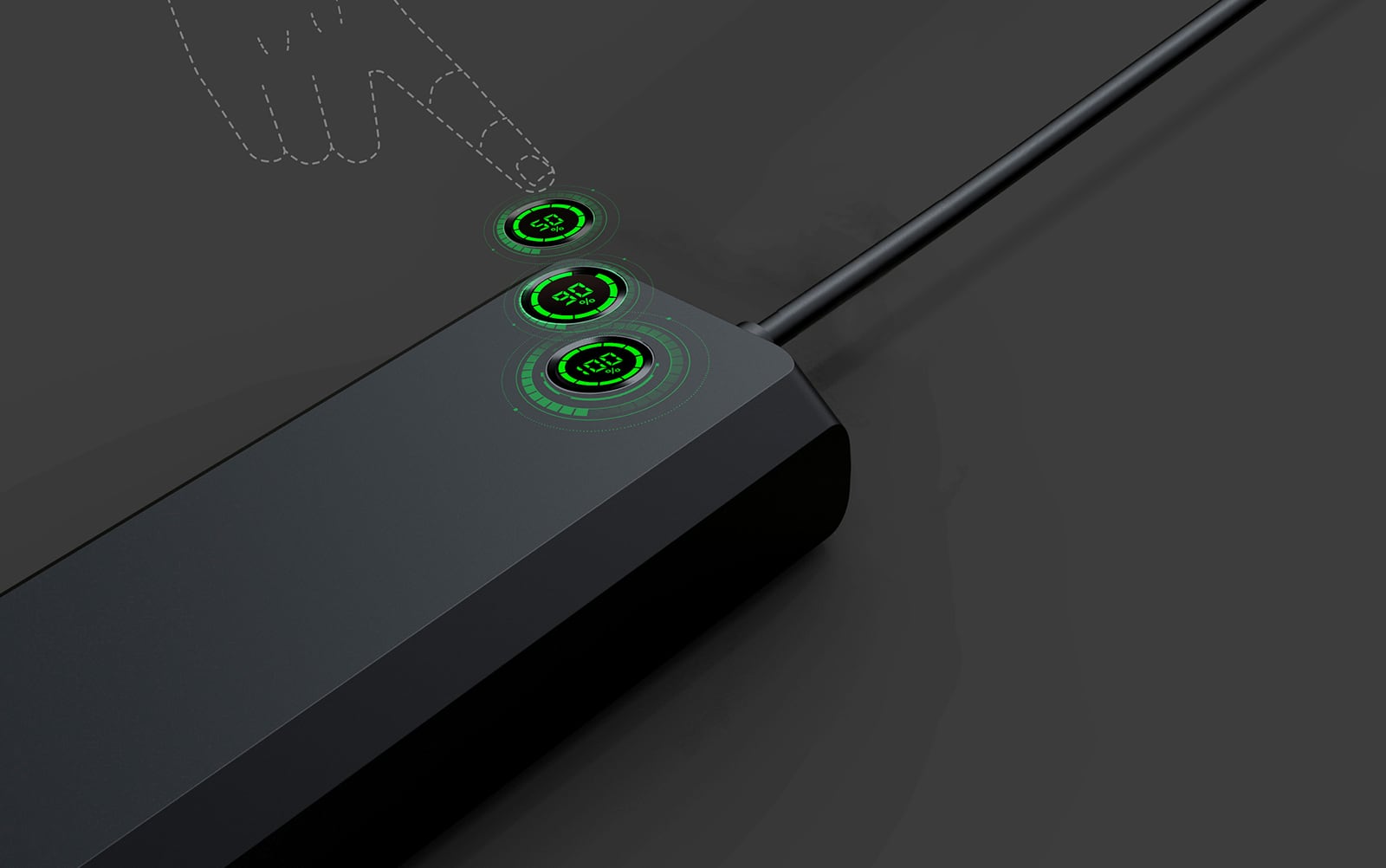
The rapid electrification of industrial machinery, material handling equipment, and commercial transport fleets has fundamentally transformed the requirements for power electronics. Within this evolution, high-power lithium-ion battery chargers have emerged as critical infrastructure assets. Designed to restore substantial energy reserves safely and rapidly, these advanced charging systems ensure that demanding operational workflows maintain maximum uptime, structural safety, and long-term economic viability.
Core Technology Architecture of High-Power Chargers
- Power Conversion Topologies
- High-Frequency Switch-Mode: Utilizes advanced switching semiconductors for high power density.
- High Efficiency: Achieves 92% to 94%+ conversion efficiency, minimizing internal power losses and waste heat during high-amperage output.
- Intelligent Communication Integration
- Closed-Loop BMS Interface: Microcontrollers interface directly with the Battery Management System via CAN protocols or digital data lines.
- Real-Time Tracking: Continuously monitors cell voltages, internal pack temperatures, and state-of-charge metrics.
- Dynamic Modulation: Adjusts output across multi-stage profiles (Constant Current / Constant Voltage) to prevent lithium plating, voltage spikes, and cell degradation.
Key Operational Benefits of Industrial High-Power Systems
Deploying heavy-duty, high-power charging solutions unlocks profound operational advantages for industrial and commercial operators:
- Drastically Reduced Charging Windows: High-amperage output compresses replenishment times, enabling equipment to transition rapidly between shifts and eliminating prolonged idle periods.
- Maximized Fleet Productivity: Fast turnover rates reduce the total number of redundant battery packs or backup vehicles required to sustain continuous round-the-clock operations.
- Precise Multi-Stage Regulation: Adaptive charging profiles deliver gentle, precise current tapering as cells approach full capacity, maximizing chemical stability over thousands of charge cycles.
- Optimized Energy Consumption: High conversion efficiency rates significantly cut down facility-level power consumption, aligning heavy industrial operations with broader corporate sustainability targets.
Technical Specifications Comparison
| Parameter / Feature | Standard Industrial Charger | High-Power Lithium-Ion Charger |
| Power Conversion Topology | Standard 50Hz/60Hz Transformer / Basic PWM | High-Frequency Switch-Mode Topology |
| Energy Conversion Efficiency | 80% to 88% | 92% to 94%+ |
| BMS Communication Integration | Optional / Basic Relay Control | Real-Time CAN Bus / Closed-Loop Digital Protocol |
| Cooling & Thermal Management | Standard Fan-Cooled / Vented Chassis | Advanced Fanless / Optimized Convection Layout |
| Primary Operational Focus | Overnight / Slow Batch Replenishment | Rapid Opportunity Charging & Multi-Shift Uptime |

Advanced Conversion and Thermal Management Innovations
- Thermal Design & Cooling
- Fanless Configurations: Eliminates vulnerabilities to dust, moisture, and mechanical wear associated with traditional fans.
- Optimized Heat Dissipation: Internal layouts minimize temperature rises while ensuring operational silence and stability during heavy-load cycles.
- Protection Mechanisms
- Multi-Layered Defenses: Incorporates automatic short-circuit cutoff and reverse polarity protection against battery backflow.
- Operational Safeguards: Features over-voltage thresholds, precise over-current monitoring, and intelligent overheat foldback mechanisms to dynamically regulate output if ambient limits are exceeded.
Diverse Industrial Applications & Engineering Standards
High-power lithium-ion chargers support an extensive array of demanding commercial and industrial sectors:
- Material Handling and Warehousing: Automated guided vehicles (AGVs), autonomous mobile robots (AMRs), and heavy industrial electric forklifts rely on high-power opportunity charging to operate across continuous multi-shift distribution centers.
- Commercial Cleaning Fleets: Large-scale floor scrubbers and heavy-duty industrial sweepers deployed in expansive logistics hubs and municipal complexes require robust, high-capacity energy replenishment.
- Specialized Electric Transit and Mobility: Commercial utility vehicles, airport ground support equipment, and high-capacity resort transport systems depend on heavy-duty charging stability for predictable daily readiness.
- Specialized Marine and High-Demand Applications: High-performance electric watercraft, commercial surfboards, and heavy staging hubs utilize specialized rapid-charging architectures for immediate deployment.
To explore engineered solutions for these diverse applications, operators frequently evaluate advanced industrial portfolios available directly through ST Charger. With 16 years of specialized manufacturing experience, ST Charger delivers global OEM and ODM partners with advanced high-power systems featuring robust dustproof and waterproof structural designs (rated IP54 or higher), comprehensive electronic safeguards, and intelligent CAN bus communication protocols designed to maximize battery lifespan and operational efficiency across international markets.
Why Choose ST Charger
- Uncompromising Safety: Built with rigorous multi-stage protection architecture and strict quality control across every production stage to eliminate charging hazards and ensure maximum reliability.
- High Efficiency & Proprietary Power: Utilizes custom proprietary transformers and advanced circuit designs to achieve 92% to 94%+ energy conversion efficiency, reducing power waste and heat.
- Universal Compatibility & Customization: Offers full support for diverse AC inputs and custom DC connectors, alongside deep OEM/ODM tailoring for exterior design, branding, and packaging.
- Sleek Aesthetics & Sustainability: Combines a modern, premium visual design and eco-friendly manufacturing with a commitment to minimizing carbon emissions and promoting green energy solutions.
Frequently Asked Questions (FAQ)
What makes high-power lithium-ion chargers different from standard chargers?
High-power chargers utilize advanced high-frequency switch-mode topologies and high-amperage output capabilities to restore large energy reserves rapidly while communicating directly with the battery’s BMS.
How do modern high-power chargers prevent overheating without relying on active fans?
They employ optimized, fanless thermal dissipation layouts that effectively control temperature increases internally while protecting components from dust and moisture intrusion.
Can high-power chargers be customized for unique industrial voltage requirements?
Yes, experienced manufacturers like ST Charger provide comprehensive OEM and ODM engineering services tailored to match exact voltage, current, and physical enclosure specifications.
What essential safety protections should be integrated into industrial chargers?
Industrial chargers must include automatic short-circuit protection, reverse polarity safeguards, over-voltage limits, over-current monitoring, and intelligent thermal regulation.
Conclusion
Integrating high-power lithium-ion battery chargers into industrial and commercial workflows is vital for minimizing downtime, safeguarding capital investments, and achieving maximum operational efficiency. To explore our comprehensive portfolio of advanced, reliable, and globally certified charging solutions, visit our official website and contact our ST Charger engineering team today to discuss your custom project requirements and specifications.