


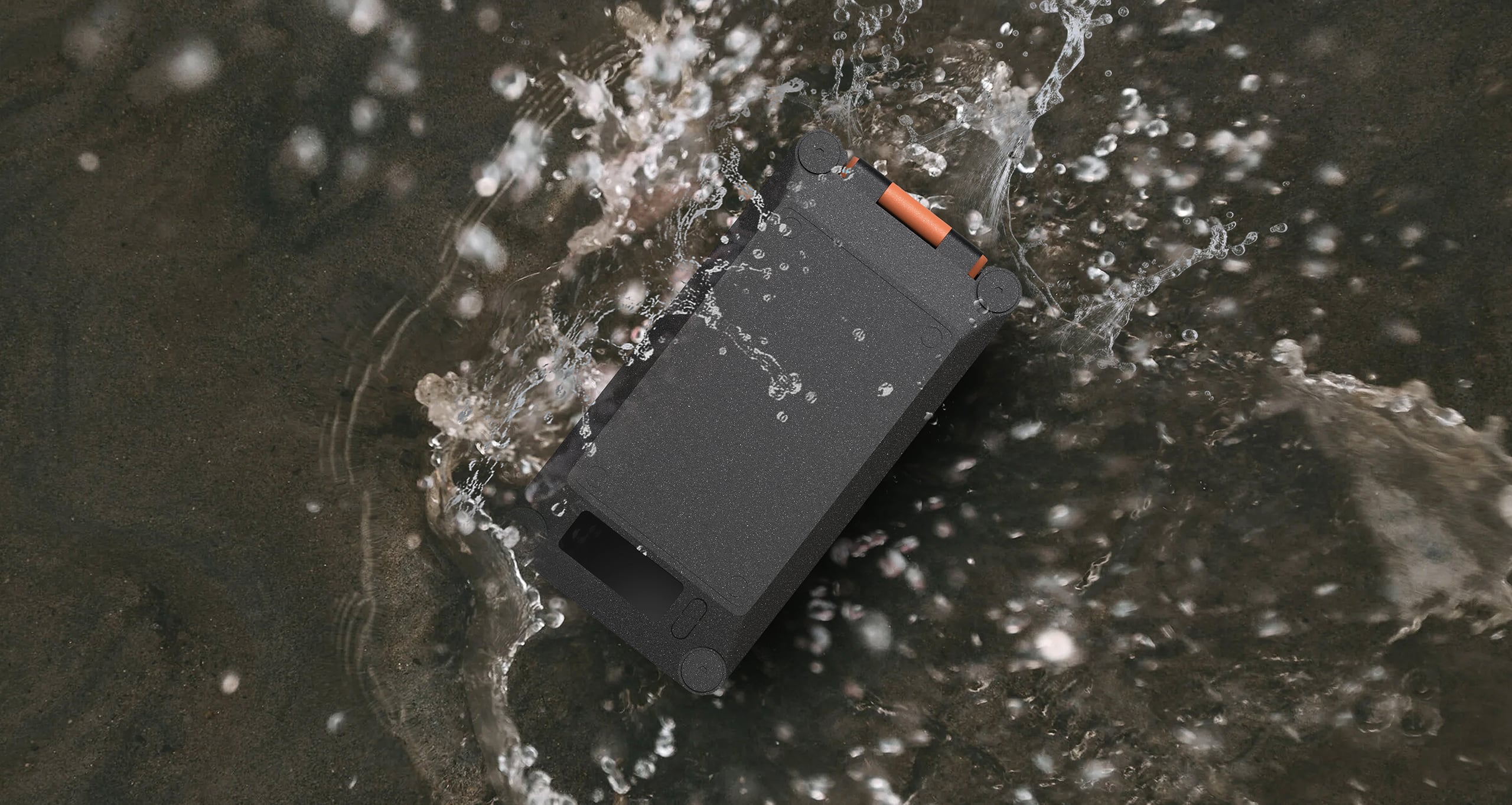
As electric water sports continue to grow, electric wakeboards are becoming a popular choice for both recreation and professional use. Behind their strong performance and smooth riding experience, the battery and charging system play a critical role. Choosing the right electric wakeboard charger is essential for safety, efficiency, and long-term battery health. In this guide, we will explain what kind of charger is required for electric wakeboards and how to make the right choice.
Understanding Electric Wakeboard Battery Basics
Most modern wakeboards are powered by lithium-ion batteries due to their high energy density and long service life. These batteries typically operate at specific voltage levels such as 36V, 48V, or higher, depending on the board design.
In addition, each battery is equipped with a Battery Management System (BMS), which helps control charging and discharging. The BMS ensures safety by preventing overcharging, overheating, and short circuits. Therefore, the wakeboard battery charging system must work in coordination with this built-in protection.

Matching Charger Voltage and Current
When selecting an electric wakeboard charger, the most important factor is compatibility. The charger voltage must exactly match the battery system voltage. For example, a 48V battery requires a 48V charger. Using a mismatched charger can lead to undercharging, overheating, or even battery damage.
At the same time, the output current of the charger affects charging speed. Higher current means faster charging, but it must stay within the battery’s safe limits. A properly matched charger ensures both safe operation and efficient performance. This is why charger compatibility is a key consideration for all users.
Types of Electric Wakeboard Chargers
Next, it is useful to understand the different types of chargers available in the market. Each type serves different needs depending on usage scenarios.
- Standard Chargers:These provide stable and reliable charging for everyday use. They are simple and cost-effective.
- Fast Chargers:These deliver higher current to reduce charging time. However, they may generate more heat and should be used carefully.
- Smart Chargers:These are the most advanced option. They automatically adjust voltage and current based on battery condition, improving safety and battery life.
- Portable Chargers:These are compact and easy to carry, making them ideal for outdoor or travel use.
Among these options, a smart electric wakeboard charger is often recommended for better control and protection.
Key Features to Look for in a Charger
Beyond basic specifications, certain features can greatly improve charging safety and performance. When choosing a charger, it is important to look for built-in protection functions such as overcharge protection, overcurrent protection, and short-circuit protection.
In addition, since electric wakeboards are used in water environments, a waterproof or moisture-resistant charger is highly recommended. Features like temperature monitoring and automatic shutoff also help prevent overheating and extend battery life.
Furthermore, LED indicators or display screens can provide clear charging status updates, making the process easier to monitor. These features are essential for a reliable electric wakeboard charger.
Charging Time and Efficiency Considerations
Another important aspect to consider is charging time. Charging time depends on both the battery capacity and the charger output. In general, standard chargers take longer but provide stable charging, while fast chargers reduce waiting time.
However, faster charging is not always better. Excessive charging speed can increase heat and stress on the battery. Therefore, balancing speed and safety is key. Using a high-quality wakeboard charger with efficient power management can help achieve optimal results.
Common Charging Mistakes to Avoid
While using an electric wakeboard charger, there are several common mistakes that users should avoid. First, using an incompatible charger is one of the main causes of battery damage. Always ensure the charger matches the battery specifications.
Second, charging in extreme temperatures or wet conditions can reduce efficiency and increase risks. Third, leaving the charger connected for too long after a full charge may lead to overcharging if the charger lacks proper protection.
By avoiding these mistakes, users can significantly improve the safety and lifespan of their wakeboard battery charging system.

Maintenance Tips for Charger and Battery
In addition to proper usage, regular maintenance is also essential. Users should check cables and connectors regularly to ensure there is no damage or corrosion. Keeping the charger clean and dry helps maintain stable performance.
Moreover, storing both the battery and charger in a cool, dry environment can prevent unnecessary wear. Proper maintenance not only extends equipment life but also ensures consistent charging efficiency over time.
Conclusion: Choosing the Right Electric Wakeboard Charger
In conclusion, selecting the right electric wakeboard charger requires careful attention to voltage matching, current output, safety features, and usage conditions. A compatible and high-quality charger can improve charging efficiency, protect the battery, and enhance overall performance.
Looking for a reliable and efficient electric wakeboard charger? ST Charger is a professional charging solution provider, offering high-quality chargers designed for electric mobility applications. With advanced safety features, stable performance, and energy-efficient design, ST Charger helps ensure safe and reliable charging for your electric wakeboard and beyond.