


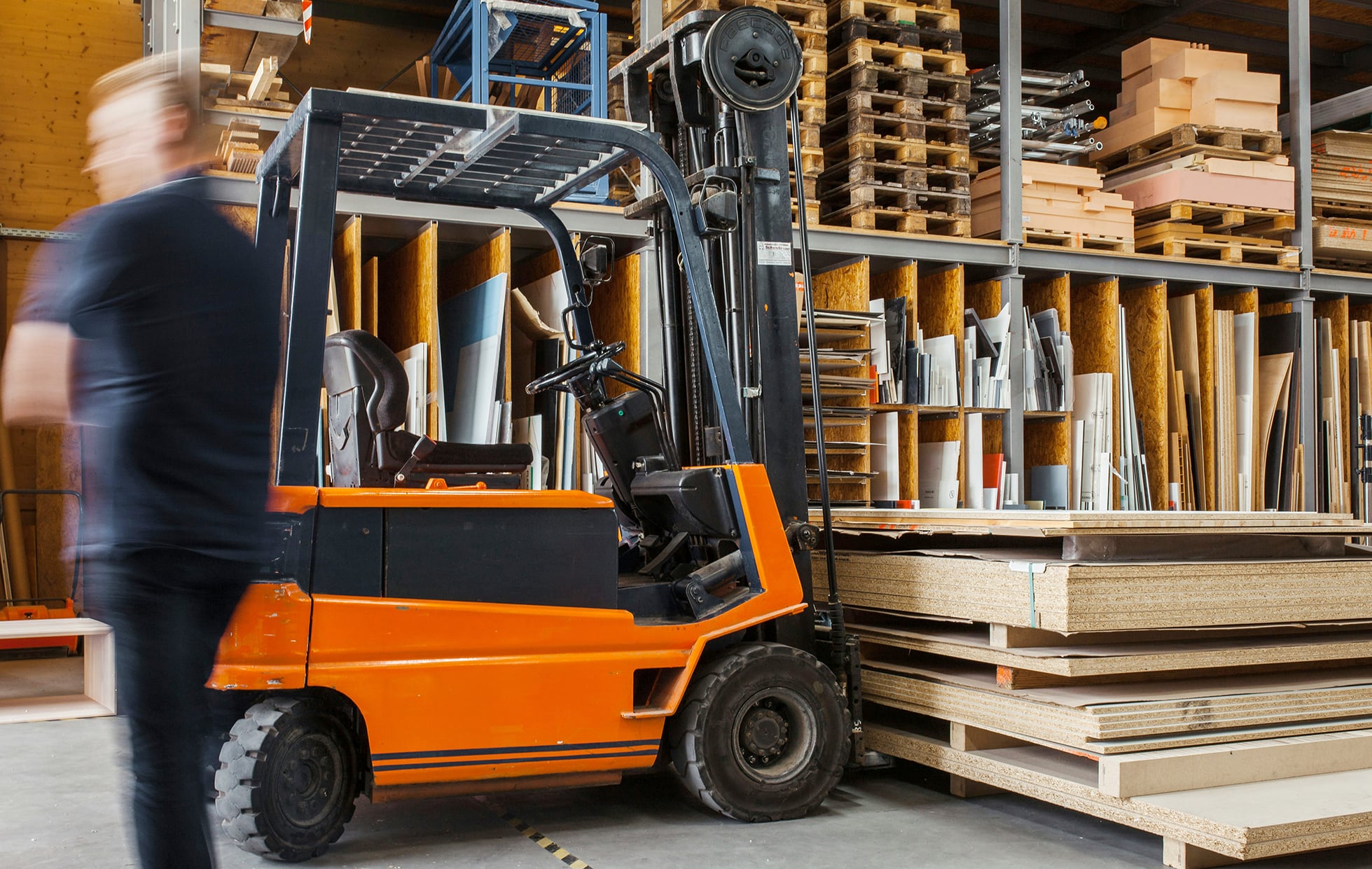
In modern warehouses, logistics centers, and production facilities, electric forklifts have become essential tools. They are cleaner, quieter, and more cost-efficient than forklifts powered by internal combustion engines. However, the performance of an electric forklift depends heavily on its battery and charging system. Choosing the right electric forklift charger is not just about powering the truck—it also directly affects battery lifespan, operating efficiency, and overall costs.
Understand Forklift Battery Voltage Options
The first step in choosing a charger is to understand forklift battery voltage. Electric forklifts commonly use 24V, 36V, 48V, or 80V batteries. Each voltage level is designed for different types of forklifts and workloads. For example, a 24V forklift battery charger is usually sufficient for small warehouse trucks, while a 36V charger works well for medium-duty equipment. Larger forklifts often need a 48V forklift battery charger, and heavy-duty operations such as mining or large-scale logistics may require an 80V charger. Matching the charger to the correct battery voltage is essential to avoid inefficient charging or even potential battery damage.
Match the Charger to Your Application Needs
Beyond voltage, the charger must also fit the way your forklifts are used. A facility that operates a single shift may only need a standard charger, while multi-shift operations require faster charging solutions to keep equipment running throughout the day. For companies with high workloads, investing in a high-capacity charger can prevent downtime and keep productivity steady. On the other hand, for businesses with light forklift use, a basic charger may be the more cost-effective choice. By aligning the charger with your daily operations, you ensure consistent performance without overspending.
Charging Efficiency and Battery Protection
Another factor to consider is charging efficiency. Efficient chargers not only reduce electricity costs but also minimize battery wear. Improper charging—such as overcharging or frequent short charging—can generate excessive heat, which is one of the main causes of premature battery failure. Using a smart electric forklift charger can help prevent these issues. Smart chargers automatically adjust current and voltage during the charging process, protecting the battery from overheating and extending its lifespan. This feature is particularly valuable in facilities where forklifts are used heavily and batteries need frequent charging.
Common Mistakes to Avoid When Choosing a Charger
When selecting a forklift charger, certain mistakes can lead to long-term problems. One common error is using a charger with the wrong voltage, which can either undercharge or overcharge the battery. Another mistake is choosing the cheapest charger available without considering quality. Low-quality chargers often have poor efficiency and lack the safety features needed to protect expensive batteries. Additionally, poor battery maintenance, such as insufficient watering or frequent opportunity charging with standard chargers, can shorten battery life. Avoiding these mistakes helps reduce hidden costs and improves overall reliability.

Safety Features and Standards to Look For
Safety is another important factor when selecting a charger. Look for features such as temperature monitoring, automatic shutoff when the battery is full, and reverse-polarity protection to prevent incorrect connections. Chargers that comply with international safety standards provide extra peace of mind and ensure reliable performance. A safe charging system not only protects the equipment but also keeps workers safe in busy warehouse or industrial environments.
Cost vs. Long-Term Value
Price is always a consideration, but focusing only on the initial cost can be misleading. A cheaper charger may save money upfront, but if it reduces battery life, the replacement costs will be much higher in the long run. Since forklift batteries are a significant investment, protecting them with a high-quality charger is the smarter choice. In many cases, a reliable charger can reduce the total number of batteries needed and cut maintenance expenses. Therefore, choosing a charger should be seen as a long-term investment in efficiency and savings.
Choosing a Reliable Electric Forklift Charger Supplier
Finally, selecting the right supplier is just as important as choosing the charger itself. A reliable electric forklift charger manufacturer will provide not only high-quality products but also technical support, maintenance advice, and after-sales service. Working with an experienced supplier ensures that you get the right charger for your specific forklifts and applications. This partnership can help reduce risks, simplify decision-making, and keep your operations running smoothly.
Conclusion
The choice of an electric forklift charger has a direct impact on your equipment performance, battery life, and overall operational costs. By understanding battery voltages, matching the charger to your usage needs, prioritizing efficiency and safety, and avoiding common mistakes, you can ensure your forklifts remain reliable and cost-effective. Choosing a trusted supplier adds another layer of confidence, giving you the support needed to optimize your material handling operations.
If you are looking for a dependable electric forklift charger manufacturer, ST Charger provides professional solutions designed to extend battery life, improve efficiency, and reduce your total cost of ownership.