


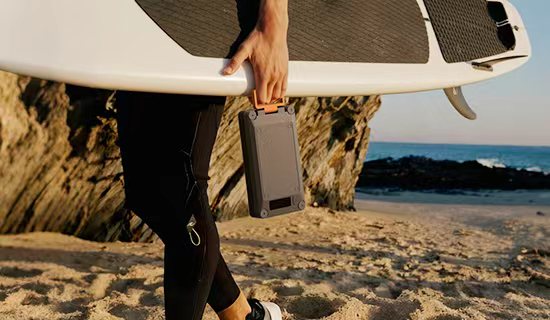
Electric watercraft such as hydrofoil boards, jetboards, and electric surfboards have specific charging requirements. Whether used by rental operators or private owners, these products need charging equipment that matches their battery specifications, operating conditions, and installation environments.
Moisture, salt residue, temperature changes, and frequent transportation can all affect charging equipment over time. Choosing a charger with a suitable enclosure design, effective thermal management, and compatible battery communication helps support reliable charging and protect valuable battery systems.
Understanding these requirements is an important step in selecting a suitable charging solution for electric watercraft.
Charging Challenges in Watercraft Applications
Salt Residue and Connector Corrosion
Salt residue can accumulate on exposed electrical contacts and connectors, increasing the risk of corrosion and poor electrical connections. Over time, corrosion may affect contact resistance, cause voltage drops, and lead to localized overheating.
For this reason, charging connectors and cables should be selected according to the actual application environment. Regular inspection and cleaning are also important, particularly when equipment is used near coastal areas.
Temperature Changes and Moisture
Temperature fluctuations during charging and transportation can affect the internal environment of a charger. Rapid changes in temperature may contribute to condensation, especially when equipment is moved between warm, humid, and cooler environments.
A suitable enclosure design, proper sealing, and effective thermal management help reduce moisture-related risks. Chargers should also be used and stored according to the manufacturer’s environmental specifications.
Considerations for Charger Protection and Installation
Enclosure Design and Environmental Conditions
The charger should be selected according to its intended installation location and operating conditions. For watercraft applications, it is important to consider exposure to moisture, splashing, dust, and salt residue.
A suitable enclosure helps protect internal components during normal use. However, the charger should not be assumed to be suitable for underwater use or direct, prolonged exposure to seawater. It should be installed in a dry, sheltered location whenever possible.
Connectors and Cable Maintenance
The condition of cables, connectors, and sealing components is important for long-term reliability. Repeated handling, transportation, and environmental exposure may affect these components over time.
Inspect connectors regularly for corrosion, discoloration, or physical damage. Make sure all connections are properly secured before charging, and follow the equipment manufacturer’s instructions for cleaning and maintenance.
Key Technical Features to Consider
Enclosure Design and Thermal Management
A suitable charger for watercraft applications should combine a robust enclosure design with effective heat management.
- Durable enclosure design: A robust enclosure helps protect internal components during normal handling and operation. Aluminum housing options may be available depending on the charger model.
- Thermal management: Efficient power conversion and appropriate heat dissipation help control operating temperatures during charging.
- Application-based configuration: Enclosure structure, cable length, and connector selection can be considered according to the equipment’s installation and integration requirements.
Smart Battery Management and Circuit Protection
Battery compatibility and electrical protection are essential when selecting a charger for electric watercraft.
- BMS communication: Communication options such as CANopen, CAN 2.0, UART, and NTC temperature sensor inputs can be configured according to the project and charger model.
- Electrical protection: Protection functions may include over-voltage, over-current, over-temperature, and reverse-polarity protection, depending on the product configuration.
These features should be confirmed against the technical specifications of the selected charger.
How to Select the Right Charger for Electric Surfboards and eFoils
Voltage and Power Requirements
Different watercraft use different battery configurations and charging parameters. Smaller equipment, such as underwater scooters and motorized paddle boards, may use 24V or 36V battery systems. Higher-performance hydrofoil boards and jetboards may require 48V or 72V systems.
The charger should match the battery’s rated voltage, required charging current, charging profile, and connector type.
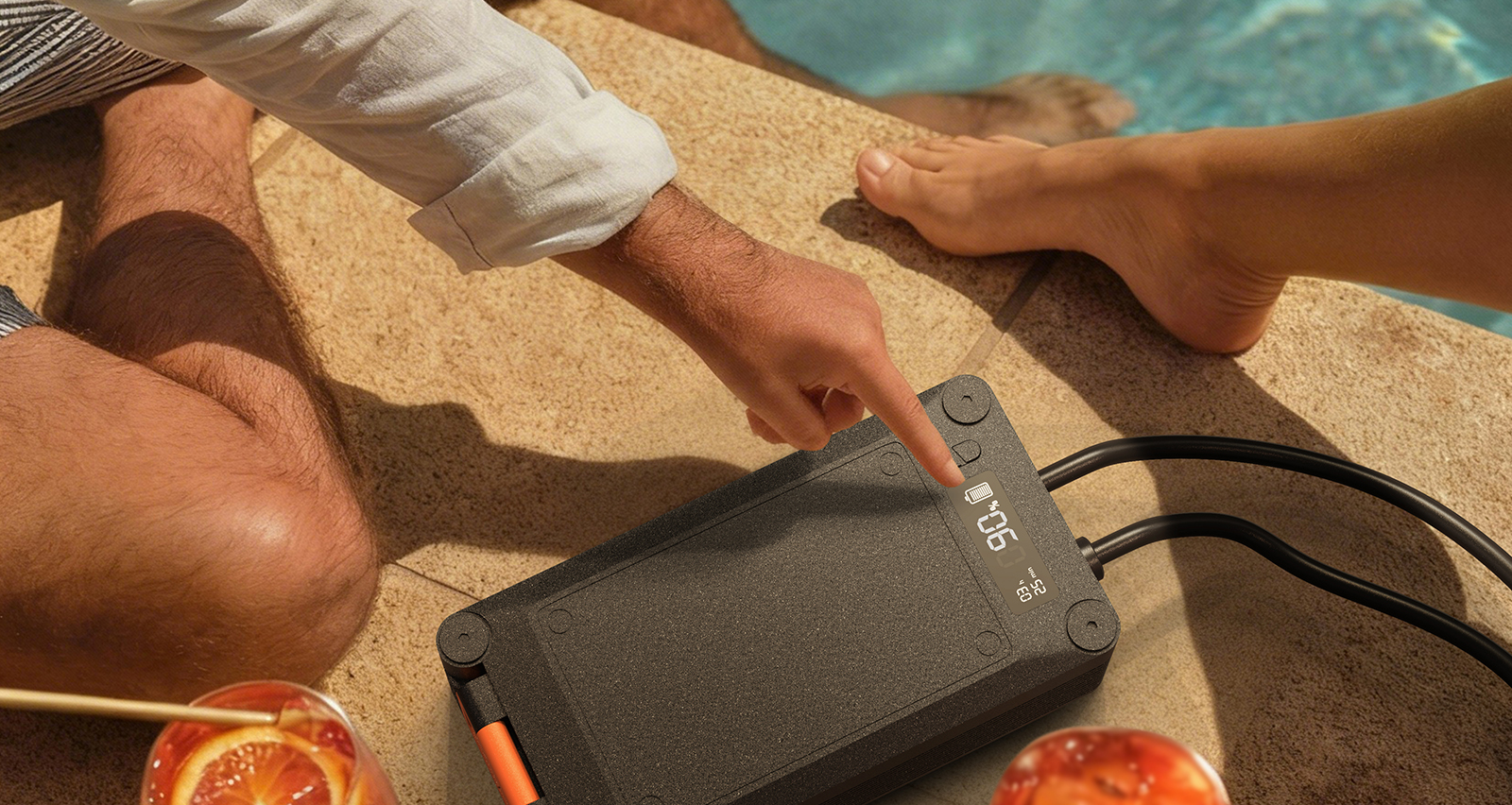
ST Charger’s Portable Charger series offers configurable charging solutions for different applications. Depending on the model and project requirements, available configurations may include 36V 20A, 48V 20A, and 72V 15A.
Selectable Battery Charge Levels
For applications that support selectable charging modes, preset charge targets can help users manage battery charge levels according to their needs:
- 50%: Suitable for battery storage.
- 90%: Suitable for regular use.
- 100%: For applications requiring the maximum available battery capacity.
The availability of these modes depends on the charger model and configuration. Users should follow the battery manufacturer’s recommendations for charging and storage.
Maintenance and Care for Watercraft Chargers
Cleaning and Regular Inspection
After use in coastal environments, switch off and disconnect the charger before cleaning. Wipe the enclosure and cables with a soft cloth to remove dust and salt residue. Avoid directing high-pressure water at the charger or its connectors.
Regularly inspect cables, connectors, and sealing components for corrosion, discoloration, cracks, or other signs of damage. Do not use damaged connectors or cables.
Storage and Operating Conditions
Use the charger in a dry, well-ventilated location and avoid direct exposure to seawater, heavy splashing, or immersion.
Avoid charging in direct sunlight or on hot surfaces, as excessive ambient temperatures may affect charging performance or activate thermal protection. Store the charger in accordance with the manufacturer’s specified temperature and humidity limits.
For battery storage, follow the battery manufacturer’s recommended state of charge (SoC) and storage conditions.
Frequently Asked Questions
What factors affect the price of a custom charger for electric watercraft?
Pricing depends on several project requirements, including output voltage, charging current, power rating, enclosure design, DC connector type, and BMS communication requirements.
Additional customization, such as cable length, connector selection, mechanical design, and communication functions, may also affect the final cost. Contact the ST Charger engineering team with your battery and application specifications for a project-based quotation.
What should be considered when choosing a charger for watercraft applications?
The charger should match the battery specifications and the actual operating environment. Important considerations include enclosure design, thermal management, connector compatibility, and electrical protection functions.
The installation location is also important. Chargers should be kept away from direct seawater exposure and should not be immersed in water. Check the product specifications to ensure the selected model is suitable for the intended application.
What installation precautions should be followed on boats or docks?
Install the charger in a dry, sheltered, and well-ventilated location, away from direct seawater exposure and areas subject to flooding or immersion.
Allow sufficient space around the charger for heat dissipation. Before connecting the charger to a battery, make sure the AC power supply and electrical installation meet the applicable safety requirements.
Conclusion
Selecting a suitable charger for electric surfboards and eFoils involves more than matching voltage and current. Battery compatibility, connector design, enclosure structure, thermal management, and installation conditions all contribute to reliable charging.
ST Charger provides OEM and ODM charging solutions for electric mobility and industrial applications. By working with equipment manufacturers to understand their battery specifications and integration requirements, we support the development of charging configurations for different watercraft projects.
Contact the ST Charger team to discuss your application and charging requirements.