


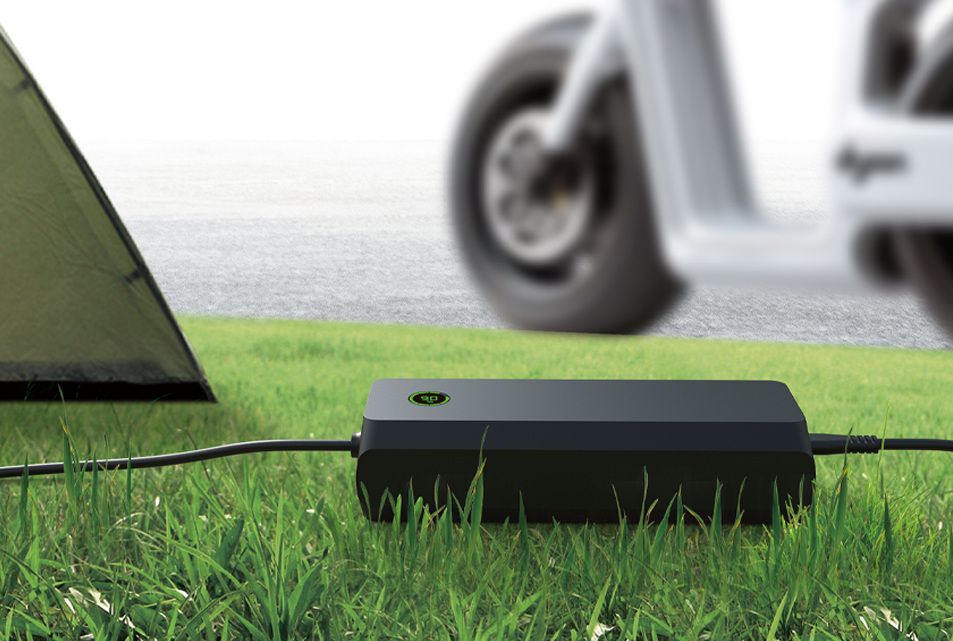
Electric farm carts operate in fields, orchards, livestock areas, and other demanding environments. Their charging systems must accommodate practical working conditions, battery requirements, and limited charging windows. For OEMs, custom charging design helps align power output, environmental protection, and electrical integration with the vehicle’s intended use.
Why Do Electric Farm Carts Need Specialized Charging?
Remote Work Areas Require Flexible Charging
Farm carts may finish a work cycle far from a fixed charging point. Charger placement, cable routing, available power supply, and daily operating schedules should therefore be considered during system design.
Outdoor Conditions Demand Reliable Protection
Dust, moisture, mud, and vibration can affect charging equipment. Enclosure protection, connector sealing, mounting structure, and heat dissipation should reflect the actual working environment.
Outdoor charging equipment must withstand dust, moisture, and vibration while maintaining reliable performance. ST Charger’s IP65 portable charger offers 600W to 1,300W output, with customizable charging parameters, connectors, cables, and communication protocols for different equipment requirements.
How Can High Power Charging Reduce Downtime?
Match Output Power to Battery Requirements
Higher charging power can shorten charging sessions when the battery supports the required current. The appropriate rating depends on battery voltage, capacity, maximum charging current, charging efficiency, and the available charging window.
For example, a 48V battery rated at 100Ah has a nominal energy capacity of approximately 4.8kWh. Actual charging time depends on conversion losses, battery temperature, charging stages, and battery management system limits. Charger output should be selected according to the battery specifications rather than wattage alone.
Balance Charging Power With Thermal Performance
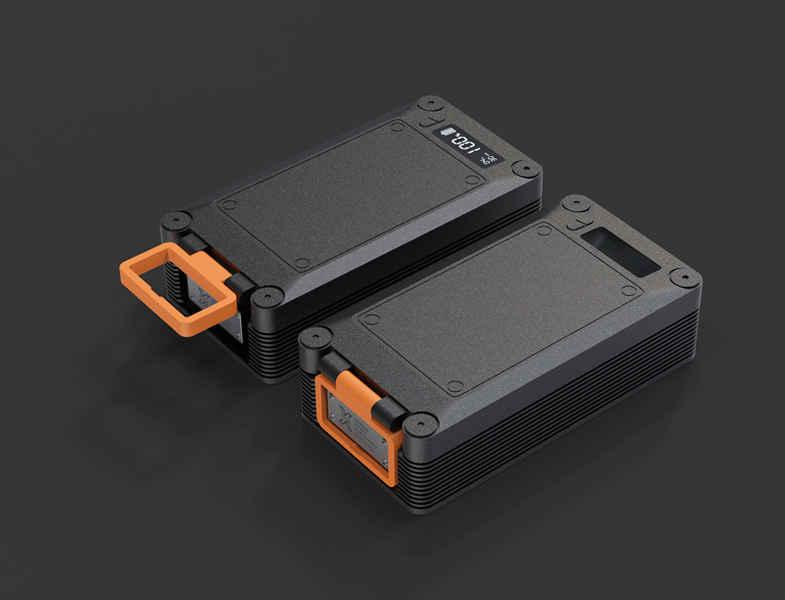
High power operation increases the importance of heat dissipation and component design. A charger must sustain its intended output under realistic operating conditions.
ST Charger’s onboard charging solutions cover a published power range of 600W to 3,000W. The product page also describes IP67 protection, thermal management, and communication options. The appropriate configuration depends on the vehicle’s electrical architecture and installation requirements.
How Should Custom Charging Be Designed for Outdoor Use?
Configure the Charging Profile
Battery chemistry determines the appropriate charging algorithm. Voltage limits, current limits, temperature conditions, and charging termination must match the battery manufacturer’s specifications. Lithium systems may also require communication with the battery management system.
Adapt the Enclosure and Cooling Design
The installation location affects enclosure protection, airflow, cable routing, and mounting requirements. A charger inside a protected compartment faces different conditions from equipment exposed directly to rain, dirt, or debris.
Protection ratings should be verified for the selected configuration. Cooling design must also account for ambient temperature, available airflow, and expected operating loads.
Integrate Connectors and Vehicle Controls
Connector compatibility, cable specifications, and communication protocols should be defined early to avoid costly design changes.
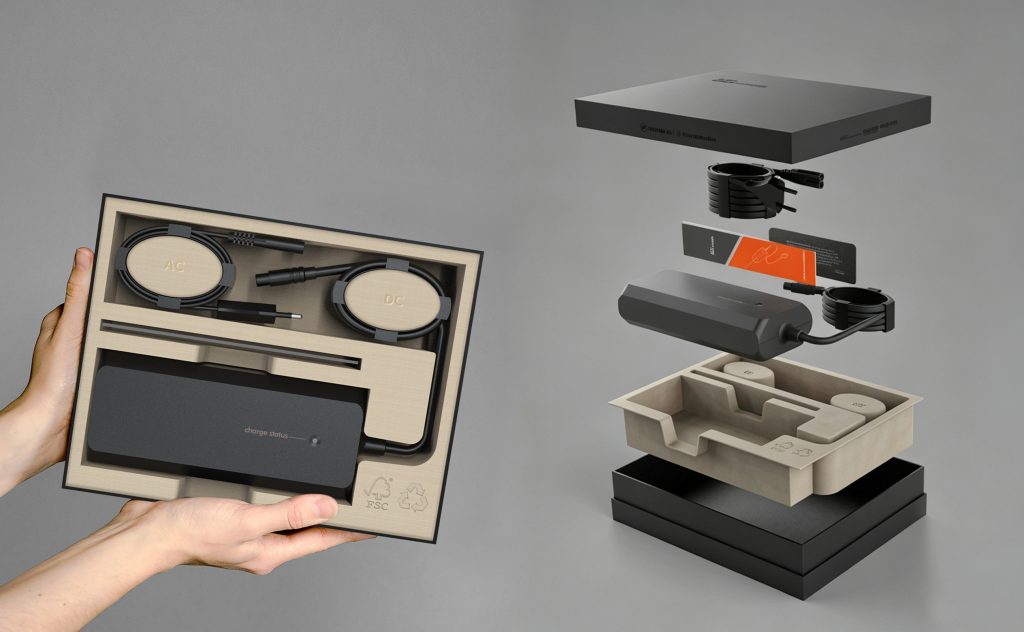
ST Charger’s custom charger development capabilities include customization of charging parameters, enclosures, cooling design, connectors, protection functions, and communication with the BMS or vehicle controller.
For OEMs, defining these requirements early helps align the charger with the battery and vehicle instead of relying on a standard configuration that may not suit the application.
How Can OEMs Evaluate Charging Costs and Performance?
Compare Charging Options by Duty Cycle
The right charging setup depends on operating hours, available charging windows, installation conditions, and battery limits.
| Charging Approach | Main Benefit | Key Consideration | Suitable Application |
| Standard onboard charging | Convenient integration | Available charging time | Routine farm transport |
| High power onboard charging | Shorter charging sessions | Battery current limits and cooling | Frequent daily operation |
| External charging | Flexible installation | Charging access and connector compatibility | Centralized charging areas |
| Custom integrated charging | Application specific configuration | Development and validation | OEM vehicle projects |
Validate the System Before Production
Total ownership costs extend beyond the initial charger price. Energy efficiency, maintenance, battery replacement, installation, and charging related downtime should all be considered.
Before mass production, manufacturers should evaluate output stability, temperature rise, protection functions, charging termination, connector compatibility, and BMS communication under representative operating conditions. This helps identify integration issues before they affect production or field operation.
Häufig gestellte Fragen
What determines the cost of a custom charging solution for an Electric Farm Cart?
A1: Cost depends on charging power, voltage and current requirements, battery chemistry, enclosure protection, cooling, connectors, communication interfaces, and validation requirements. Development complexity and production volume may also affect the final cost.
Can charging equipment be customized for outdoor agricultural conditions?
A3: Depending on the platform, customization may include enclosure design, protection features, cooling, connectors, charging parameters, and communication with the BMS or vehicle controller.
What information should OEMs provide when requesting a custom charger?
A4: Provide battery chemistry, nominal voltage, capacity, charging limits, BMS protocol, required output power, input supply, installation dimensions, connector details, environmental conditions, and expected operating schedule.
Abschluss
Custom charging helps Electric Farm Cart manufacturers balance high power performance, battery compatibility, and outdoor durability. To discuss your electrical specifications and integration requirements, contact our engineering team for a customized charging assessment.