


Selecting the right power hardware determines whether an electric motorcycle line succeeds or faces costly recalls. For manufacturers and fleet operators, a charger is no mere accessory. It regulates battery cell health, ensures safety, and impacts brand reputation. Substandard chargers risk capacity loss, field failures, and thermal hazards.
Evaluating suppliers requires looking beyond unit cost. Purchasing teams must assess vendor engineering, manufacturing infrastructure, and protocol customization. This guide outlines the essential criteria for choosing a reliable, high efficiency manufacturing partner.
Why Selecting the Right Electric Motorcycle Charger Manufacturer Matters
Mitigating Vehicle Warranty Risks and Field Failures
The reliability of a charging unit directly impacts warranty claim expenses and overall brand equity. When a charger fails in the field, end users usually attribute the fault to the vehicle brand rather than the component supplier.
Deploying high quality hardware mitigates operational risks while preserving battery cell chemistry across diverse environmental conditions.
Matching Unique Battery Pack Architectures
Off the shelf power supplies often lack the precise voltage curves required by modern high density traction batteries. Partnering with a specialized facility that develops dedicated E Motorcycle Charger solutions ensures that charging algorithms match your specific pack architecture.
Dedicated suppliers integrate advanced firmware protection, tailored power limits, and robust mechanical enclosures built specifically for two wheeler applications.
Having established why a specialized manufacturing partner is essential, buyers must next evaluate how a supplier product portfolio aligns with specific voltage requirements.
How to Evaluate Product Portfolio and Voltage Coverage
Scaling Portfolio Across Vehicle Segments
A capable manufacturer maintains a diverse portfolio designed to support various vehicle segments, from light urban commuters to high output powertrains.
Relying on a vendor with a limited range restricts your ability to scale future vehicle models. Evaluating real world product platforms provides clear evidence of vendor engineering flexibility and manufacturing depth.
Reviewing Mid Voltage Customization Capabilities
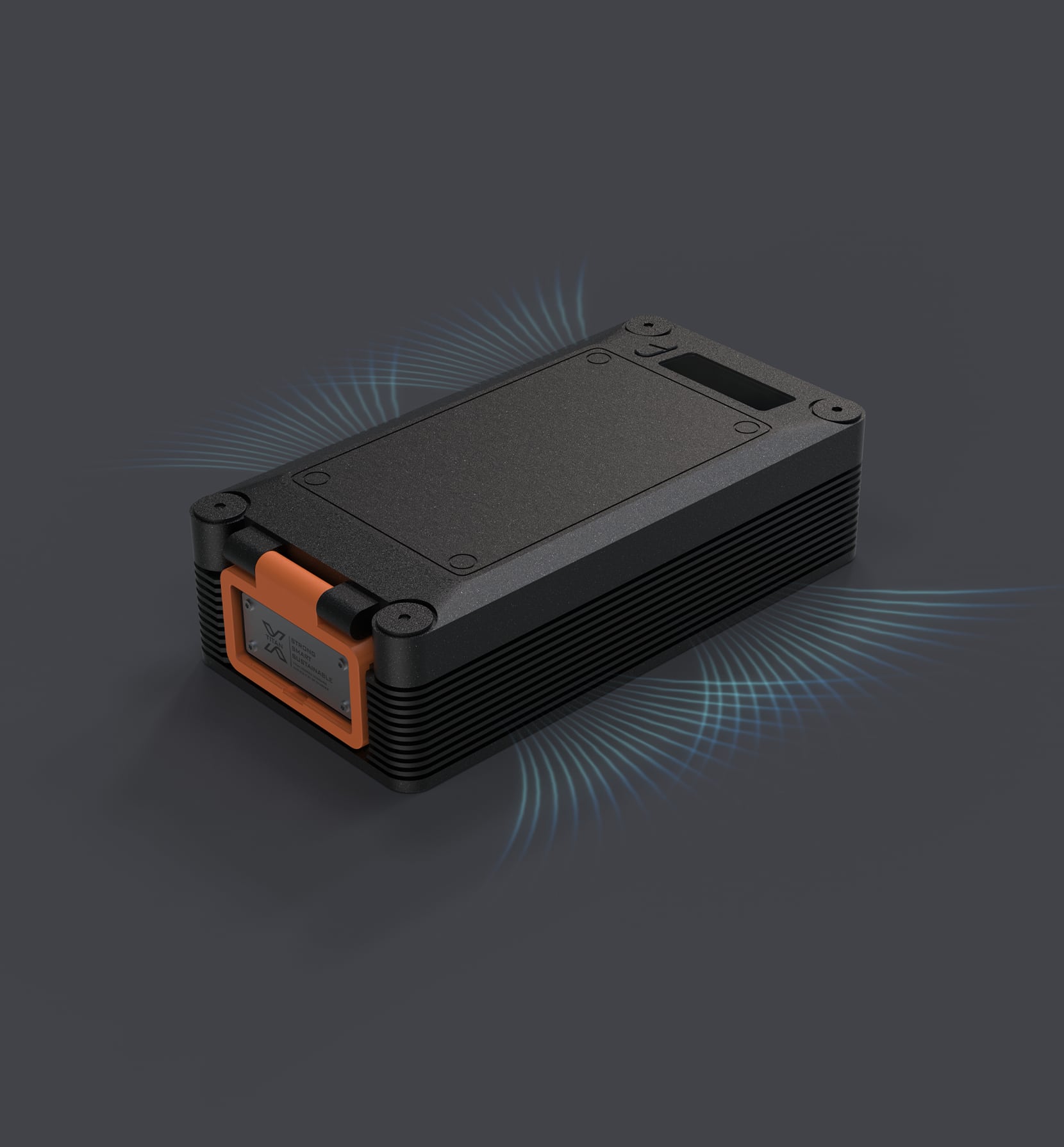
For mid voltage systems, buyers should review customizable platforms like the 48V Titan X Charger, which supports customizable CAN protocols, NTC temperature sensors, and quiet fanless thermal designs.
Assessing Heavy Duty High Power Platforms
For heavy duty applications requiring maximum power delivery, suppliers should offer robust hardware like the 72V Titan X Charger. This model delivers a 15A output, IP56 weather resistance, and efficient active cooling to sustain performance under harsh operating conditions.
- Broad Voltage Options: Ensures seamless scaling across 48V, 60V, and 72V vehicle platforms.
- Flexible Enclosure Designs: Supports both compact fanless units and heavy duty weather sealed models.
- Customizable Architecture: Allows tailorable outputs, connector configurations, and firmware protection thresholds.
While evaluating physical power hardware is a vital first step, verifying how that hardware communicates with internal vehicle electronics is equally critical.
How Qualified Manufacturers Ensure BMS Protocol Integration
Configuring Physical Communication Networks
Modern lithium battery packs rely on real time communication with external chargers to prevent overcharging and thermal distress.
A qualified vendor must demonstrate deep expertise in configuring physical CANbus and UART networks. This hardware level integration ensures the charger dynamically adjusts output current based on real time battery management system data.
Executing Multi Stage Charging Algorithms
Proper protocol alignment allows smart power supply units to execute precise multi stage charge profiles. During high temperature events, the battery management system commands the charger to throttle back current, protecting cells from degradation.
Suppliers must provide rigorous hardware testing during the sample phase to validate zero frame loss, clean signal integrity, and immediate fault shutdown responses.
| Parameter or Feature | Mid Voltage Application | High Power Application |
| Typical System Voltage | 48V Nominal | 72V Nominal |
| Maximum Current Output | Up to 10A | 15A or Higher |
| Wärmemanagement | Passive Fanless Design | Active Forced Air Cooling |
| Ingress Protection | IP54 Dust and Splash | IP56 Weather Resistant |
| Communication Ports | UART or Standard CAN | CANopen or CAN2.0 |
Once communication compatibility is verified, the evaluation shifts toward the physical customization options available for your specific vehicle design.
How to verify Factory Capacity and Quality Standards
Inspecting Automated Assembly Infrastructure
Consistent product quality requires modern automated infrastructure and mature manufacturing operations. Buyers should inspect whether a supplier utilizes automated production lines to eliminate human assembly errors.
Modern manufacturing tools ensure precise component placement, consistent soldering quality, and reliable final product assembly across high volume runs.
Verifying Track Record and Safety Marks
Long term supply stability relies on proven operational experience and robust factory infrastructure. Evaluating historical growth through ST Charger manufacturing experience demonstrates how an established production track record supports long term business stability.
Furthermore, factories must maintain essential international safety approvals, including UL, CE, and FCC marks, to ensure compliance across destination export markets.
Beyond manufacturing quality, establishing a reliable global distribution network ensures smooth long term operation.

What After Sales Support Architecture Buyers Need
Managing Global Logistics and Components
A reliable manufacturing partnership extends far beyond initial product delivery. International buyers require dedicated technical assistance, clear warranty structures, and efficient return material authorization workflows.
Suppliers with established overseas distribution nodes offer faster component turnaround times and simplified logistics management.
Establishing Service Level Agreements
Clear service level agreements protect your business from extended field downtime and unpredicted warranty expenditures. Partnering with a manufacturer that provides long term technical assistance ensures rapid resolution for future firmware updates or field diagnostics.
Häufig gestellte Fragen
What primary factors drive the total unit cost of custom chargers?
Production pricing is influenced by internal power density, custom enclosure tooling, IP rating requirements, and integrated communication protocols like CANbus. Advanced active cooling hardware and premium electrical components also affect base costs. For accurate pricing based on your specific thermal and power requirements, contact the engineering team directly through the official website.
What common material selection mistakes occur during charger sourcing?
Buyers often select low cost plastic housings that lack adequate thermal conductivity or UV resistance. Choosing under rated internal capacitors or inferior potting compounds also leads to early component failure under high vibration or extreme outdoor weather conditions.
How do low ambient temperatures impact charger service lifespan?
Sub zero operating environments increase internal component stress and alter battery charging acceptance curves. Quality units feature low temperature cutoff mechanisms and adaptive soft start algorithms to protect both internal power electronics and connected battery cells from thermal shock.
Abschluss
Selecting a qualified power supply manufacturer is a strategic investment that directly impacts vehicle performance, brand reputation, and overall customer satisfaction.
By evaluating product portfolio depth, protocol integration capabilities, automated factory infrastructure, and international quality certifications, engineering teams can secure a reliable supply chain partner. Choosing an experienced vendor minimizes field failures and ensures long term commercial success.
For detailed technical specifications or custom OEM power solutions tailored to your vehicle platform, connect with our engineering specialists today to review your project requirements.