


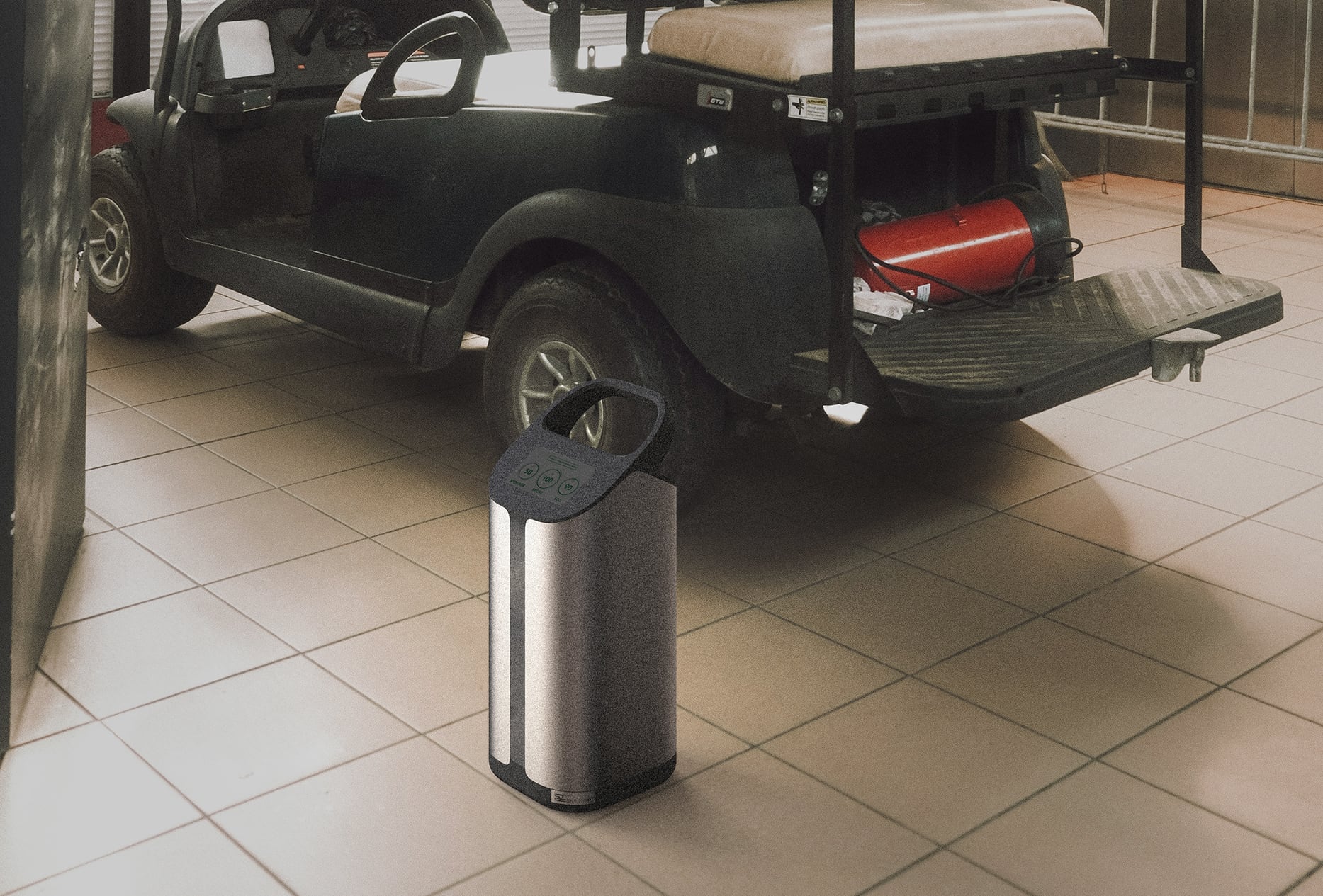
Charging technology plays a crucial role in modern energy solutions, powering everything from consumer electronics to industrial equipment. Among the core distinctions in charging systems is the difference between alternating current (AC) and direct current (DC) charging. While both serve essential purposes, they operate differently and offer unique advantages based on application needs. This article explores the technical differences between AC and DC charging, providing insights to help users make informed decisions.
AC Charging: Fundamentals and Benefits
AC (alternating current) periodically reverses direction, making it suitable for efficient long-distance transmission. It is the standard form of electricity supplied by power grids worldwide, including household and office electrical outlets. In charging applications, AC power is delivered to the end device, where an onboard converter transforms it into DC power for storage in batteries.
One of the main advantages of AC charging is its cost-effectiveness and widespread availability. AC chargers are generally more affordable to install and use, making them ideal for scenarios where charging time is not a critical constraint. The power delivery in AC charging follows a relatively steady curve, as the onboard converter regulates the energy flow according to the device’s specifications.

C
DC Charging: High-Power and Rapid Charging Capabilities
DC (direct current) flows in a single direction and is the preferred form of energy storage in batteries. Unlike AC charging, which relies on an onboard converter, DC charging stations handle the conversion process externally. This enables DC chargers to supply power directly to the battery, bypassing the device’s internal conversion limitations and allowing for much faster charging speeds.
DC chargers typically offer higher power output compared to AC chargers. This is particularly beneficial in applications where rapid energy replenishment is necessary. However, DC charging infrastructure requires more substantial investment due to its higher installation and equipment costs, making it less common in residential or low-power scenarios.
Key Differences Between AC and DC Charging
Having covered the fundamentals of both charging methods, we now compare them based on several critical factors.
1. Location of AC-to-DC Conversion
In AC charging, the conversion takes place within the device, using an onboard charger to transform AC into DC. In contrast, DC charging stations perform the conversion externally, utilizing high-capacity power electronics to deliver DC power directly to the battery.
2. Charging Speed and Efficiency
DC charging is significantly faster than AC charging due to its ability to bypass the onboard converter. While AC charging follows a steady power delivery profile, DC charging starts with high power output and gradually tapers off as the battery approaches full capacity.
3. Infrastructure and Cost Considerations
AC chargers are smaller, more affordable, and easier to install. They are suitable for residential use and applications where charging time is not a constraint. In contrast, DC chargers require heavy-duty infrastructure and a direct connection to the power grid, making them costlier but essential for fast-charging scenarios.
4. Impact on Battery Health
While DC charging is convenient for rapid energy replenishment, frequent use of high-power DC charging can accelerate battery degradation due to increased heat and voltage stress. AC charging, with its lower and more consistent power delivery, is generally less taxing on battery lifespan.

Choosing the Right Charging Solution
For everyday and cost-efficient charging needs, AC charging remains the practical choice due to its affordability and widespread availability. However, for high-power applications requiring minimal downtime, DC charging offers the advantage of significantly reduced charging times.
At ST Charger, we specialize in delivering innovative charging solutions tailored to diverse industry needs. Our expertise ensures that every product meets high-performance standards, providing efficient and reliable power delivery.
Explore our range of charging solutions and power your future with ST Charger.