


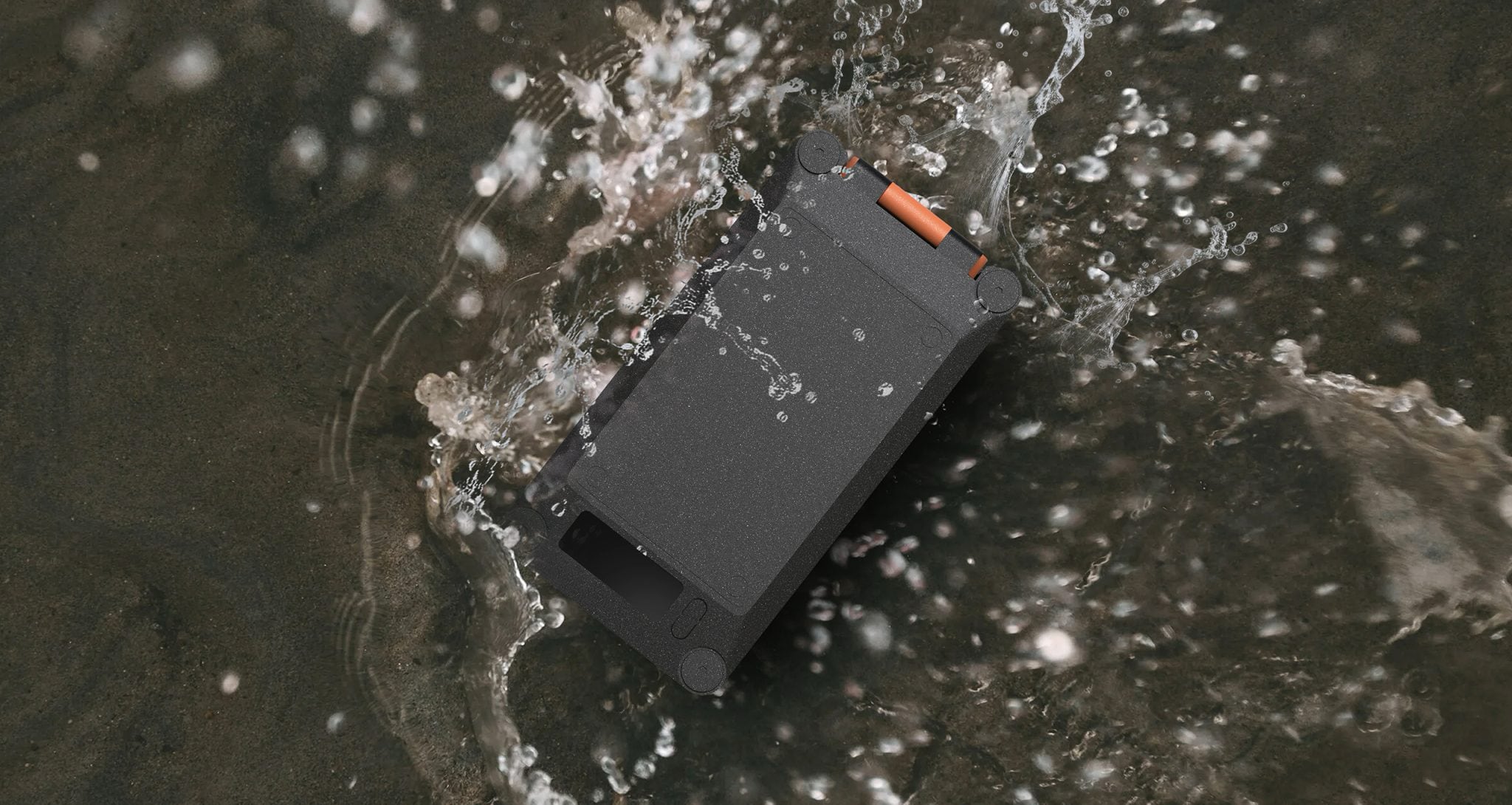
In the high-stakes world of industrial equipment, “full capacity” is not always the best goal. Operators often believe that charging to 100% every time is the standard, but for lithium-ion and lead-acid batteries alike, constant full-voltage stress is a leading cause of premature capacity degradation. When paired with high-frequency industrial use, a standard fixed-mode charger can actually accelerate battery wear.
This post explores how these intelligent modes optimize battery health across your entire fleet, whether you rely on our compact standard industrial chargers or high-power Titan X solutions.
What Are ST’s Three Selectable SoC Charging Modes?
It is vital to distinguish between a standard 3-stage charging curve and ST’s SoC-selectable technology. While standard chargers merely follow a fixed path, ST chargers offer programmable “stopping points” to manage chemical stress.
50% SoC Mode (Storage/Maintenance):
Designed for seasonal equipment or standby warehouse units. By keeping the battery at a nominal voltage, you prevent the deep discharge or high-voltage stress that occurs during long-term storage.
90% SoC Mode (Optimal Daily Operations):
The “sweet spot” for high-frequency industrial usage. It balances daily runtime with battery longevity, significantly reducing electrochemical stress.
100% SoC Mode (Maximum Payload):
Used for long-distance hauls or heavy-duty shifts where maximum range is non-negotiable.
Why Three SoC Modes Extend Battery Life
The chemical logic is clear: holding a lithium battery at 100% charge for extended periods induces lithium plating and internal resistance, while lead-acid batteries suffer from grid corrosion and sulfation when held at high float voltages.
Lithium Longevity:
Using the 90% mode reduces stress on the cathode, effectively extending cycle life by 25%-30%.
Lead-acid Protection:
The 50% mode prevents the “boiling” of electrolytes and grid degradation associated with permanent full-charge states.
Safety First:
By avoiding the constant high-voltage “top-off” stage, you minimize the risk of overcharge and thermal runaway, maintaining our Why ST brand standard of safety.
Matching ST Charger Models to Three SoC Modes
Our customized charging curves are built into our entire product catalog:

Standard Industrial Chargers (90W-270W):
Utilizing potting cooling technology, these are perfect for golf carts, electric surfboards, and 3C equipment. Use 90% for daily rides, 50% for off-season storage, and 100% for long trips.
Titan X Series (High Power):
Featuring air-cooling for heavy-duty forklifts, AGVs, and floor cleaners. For 24/7 warehouse operations, the 90% mode is your primary asset for continuous uptime.
Application Guide by Industrial Scenario
| Scenario | Recommended Mode | Rationale |
| E-Mobility (E-bikes/Golf Carts) | 90% Daily / 100% Long Trip | Balances range with battery cycle health. |
| Warehouse/Industrial AGV | 90% Continuous | Maintains cycle life for 24h work shifts. |
| Agriculture/Marine (UTV/Surfboard) | 50% Storage | Prevents damage from humidity/salts when idle. |
| Medical/Robotics | On-Demand | Flexibility for mission-critical reliability. |
Customization of SoC Charging Modes
For OEM/ODM partners, ST Charger provides full-scale programmability. We can:
Set Default SoC Profiles:
Program the charger to launch in your preferred mode out of the box.
White-Label Branding:
Customize the firmware, packaging, and casing to match your equipment brand.
Custom Charging Curves:
Modify the voltage/current limits for proprietary battery packs used in mixed-fleet environments.
Conclusion
Stop settling for “one-size-fits-all” charging. By integrating ST’s three-mode SoC technology, you aren’t just charging a device—you are managing a long-term asset.
Contact our team to discuss customized SoC programming for your next OEM/ODM project or download our product spec sheets to get started.