


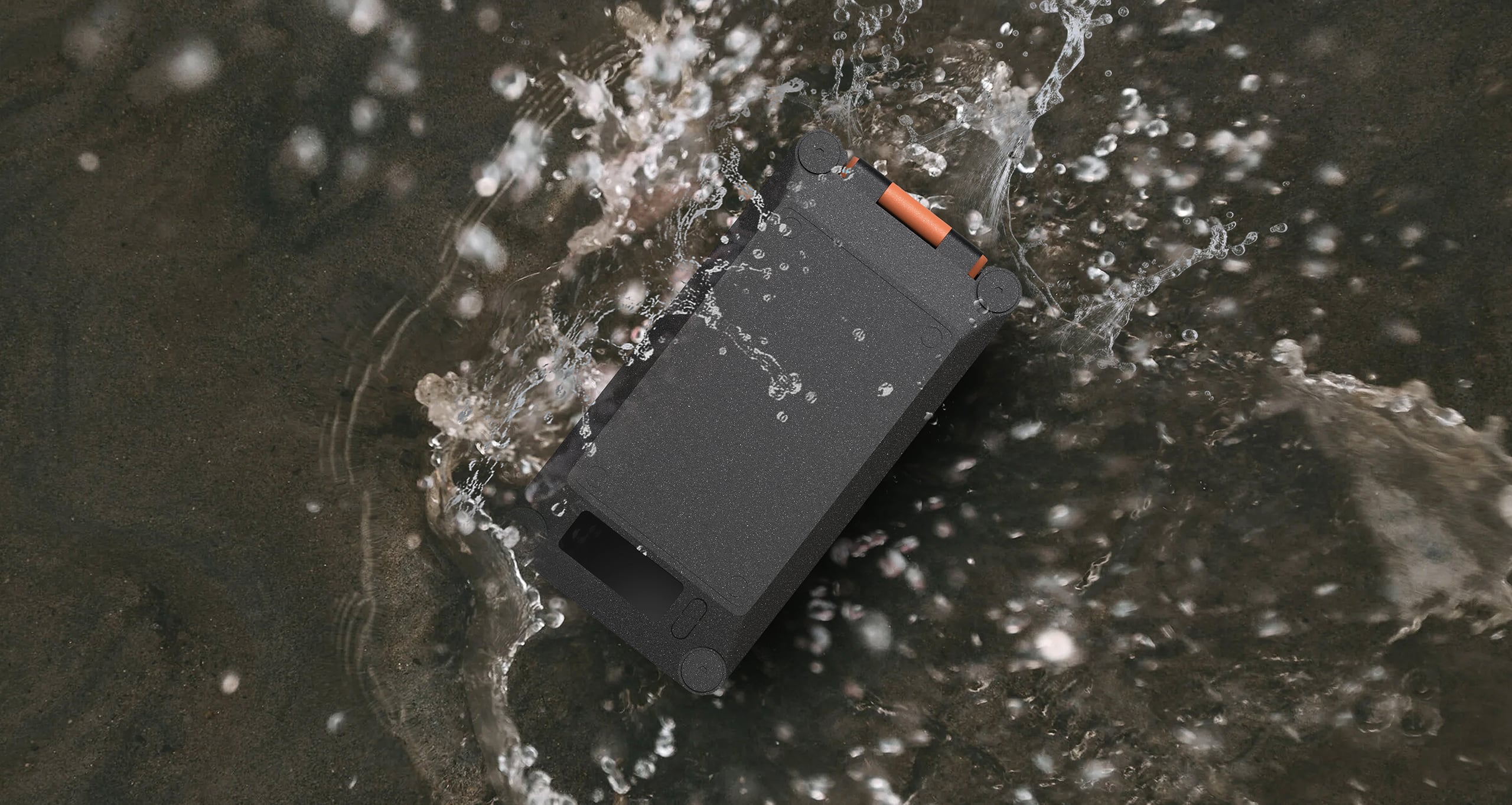
Underwater scooters and electric diving equipment are being used more widely in marine tourism, recreational diving, underwater photography, and rescue operations. These products depend on lithium battery systems to deliver stable power underwater. Because they operate in saltwater and humid environments, the charging solution must be carefully designed to ensure safety and reliability.
More importantly, a standard charger designed for indoor use is not suitable for marine applications. Saltwater, splashes, and wet hands can easily damage connectors and cables if the charging system is not properly protected. For this reason, manufacturers and distributors must choose waterproof battery charging solutions that are specifically designed for underwater scooters and diving equipment.
Understanding the Battery Used in Underwater Scooters
Before choosing a charging solution, it is necessary to understand the battery specifications used in underwater devices. Most underwater scooters use lithium battery systems because lithium batteries provide high energy density and stable performance.
In general, common battery voltages include 24V, 36V, and sometimes 48V for high-power models. Battery capacity usually ranges from 20Ah to 50Ah depending on the running time and motor power. Because charging speed and safety depend directly on these specifications, the charger must match the battery voltage, capacity, and chemistry. Using the wrong charger can reduce battery life and affect equipment performance.

Three Main Waterproof Charging System Architectures
Next, it is important to understand the different charging system structures used in underwater scooters and diving equipment. Manufacturers usually choose one of three main solutions depending on product design and user needs.
- The first solution is a sealed external charger with the battery installed inside the equipment. In this design, the charger remains outside the device, and only low-voltage DC power enters the battery through a waterproof connector. This method is widely used because it offers higher safety and easier maintenance.
- The second solution is an external charger combined with a removable battery pack. In this case, users can remove the battery and charge it separately. This design is common in rental diving centers because it reduces charging time and allows continuous operation with multiple battery packs.
- The third solution is an onboard charger with an AC input port. Although this method is less common in small underwater equipment, it is sometimes used in professional devices. However, the AC input must have strong waterproof protection and strict safety design.
Waterproof Connector Solutions for Marine Charging
Waterproof connectors are essential because they directly affect the safety and durability of the charging system.
One common solution is the use of IP68 circular waterproof connectors. These connectors use sealing rings and durable materials to prevent water from entering the charging port. They are widely used in underwater scooters and marine equipment because they offer stable performance in harsh environments.
Another solution is magnetic or pogo-pin connectors. These connectors are easy to use even with wet hands because they connect automatically. They also reduce the risk of incorrect connection and are often used in compact underwater devices.
In addition, many manufacturers use recessed charging ports. This design helps prevent water from collecting around the connector and improves the overall waterproof performance of the product.
Environmental Protection Requirements for Marine Chargers
Chargers used in underwater equipment must work reliably in humid and saltwater environments.
First of all, waterproof protection is essential. Most underwater charging solutions require at least IP67 protection, and some applications need even higher protection levels. This ensures that the charger can operate safely even when exposed to splashes or wet conditions.
Secondly, corrosion resistance is also necessary. Marine environments can quickly damage ordinary metal parts. Therefore, high-quality chargers use marine-grade cables, corrosion-resistant connectors, and durable housing materials. These features help extend the service life of the charging system.
Safety Design: BMS Compatibility and Charging Protection
Besides waterproof protection, safety is another critical factor in battery charging solutions. Lithium batteries require precise charging control, and the charger must work together with the battery management system (BMS).
Most professional lithium battery chargers use a constant current and constant voltage charging method. This charging method helps protect battery cells and improve charging efficiency. In addition, a reliable charger should include several protection functions such as over-voltage protection, over-current protection, short-circuit protection, reverse-polarity protection, and over-temperature protection.
Furthermore, compatibility with the BMS is very important. The charger must match the charging limits set by the battery system. When the charger and battery work together correctly, the equipment becomes safer and more reliable.
Charging Solutions for Different Diving Applications
Depending on the application, the charging solution may also vary. Understanding these differences can help manufacturers and distributors choose the most suitable charger.
For recreational underwater scooters, the focus is usually on safe and stable charging. Medium-power waterproof lithium battery chargers are often enough for this type of product.
For commercial diving centers and rental businesses, charging speed becomes more important. Fast and efficient battery charging solutions help reduce downtime and improve operational efficiency.
For professional diving equipment, reliability is the most important factor. These applications require high-quality waterproof chargers that can work consistently in harsh marine environments.
Real-World Charging Solution Examples
To make the selection process clearer, it is useful to look at some common examples. Many small underwater scooters use 24V lithium batteries, which require compact waterproof chargers with stable output.
Medium-power diving scooters often use 36V battery systems. In these cases, a high-efficiency lithium battery charger with good waterproof performance is usually recommended.
High-performance underwater equipment may use 48V battery systems. These products often require more powerful waterproof charging solutions to support faster charging and longer operating time.

Quick Checklist for Choosing the Right Charging Solution
Before selecting a charger, it is helpful to confirm a few important points. First, check the battery voltage and capacity. Second, confirm the battery chemistry and required charging time. Third, consider the charging environment, especially if the equipment will be used near seawater or outdoors.
It is also important to check the waterproof protection level, connector type, and safety features. By reviewing these factors carefully, manufacturers and buyers can choose a battery charging solution that is safe, efficient, and reliable.
Conclusion
In conclusion, underwater scooters and diving equipment require specialized battery charging solutions that are designed for marine environments. Waterproof protection, reliable connectors, and safe lithium battery charging technology are all essential factors in charger selection.
As the demand for electric underwater equipment continues to grow, the need for safe and efficient charging solutions is also increasing. Choosing the right charger not only improves performance but also extends battery life and enhances product reliability.
ST Charger specializes in waterproof lithium battery chargers for underwater scooters, diving equipment, and other marine electric mobility applications. If you are looking for a reliable battery charging solution or a customized charger for your project, contact ST Charger today to get professional technical support and a tailored solution.